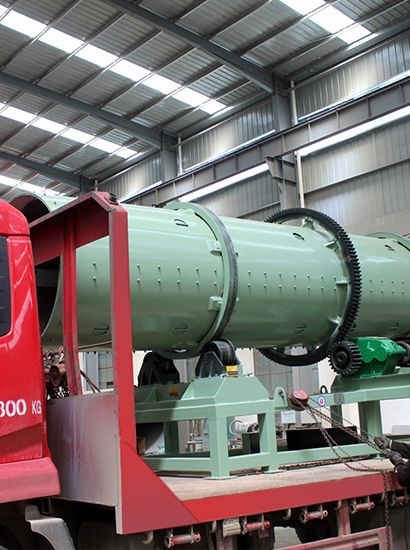
Compound fertilizers containing trace elements (iron, zinc, boron, etc.) and medium elements (calcium, magnesium, sulfur, etc.) are processed using fertilizer production equipment and standardized production lines, then granulated into uniform particles by fertilizer granulators. They can supplement crops with macronutrients and compensate for micronutrient deficiencies in the soil. The key to their application is “supplying according to demand and scientific matching,” avoiding indiscriminate application that could lead to waste or crop damage.
First, select fertilizers according to demand, matching them to the crop and soil. These compound fertilizers, precisely formulated by fertilizer production equipment and processed by fertilizer granulators, have diverse formulas. Fruits and vegetables require more boron and calcium, while grain crops require more zinc and magnesium. Increase application appropriately in infertile areas and reduce the amount as needed in fertile areas to avoid excessive application leading to nutrient antagonism.
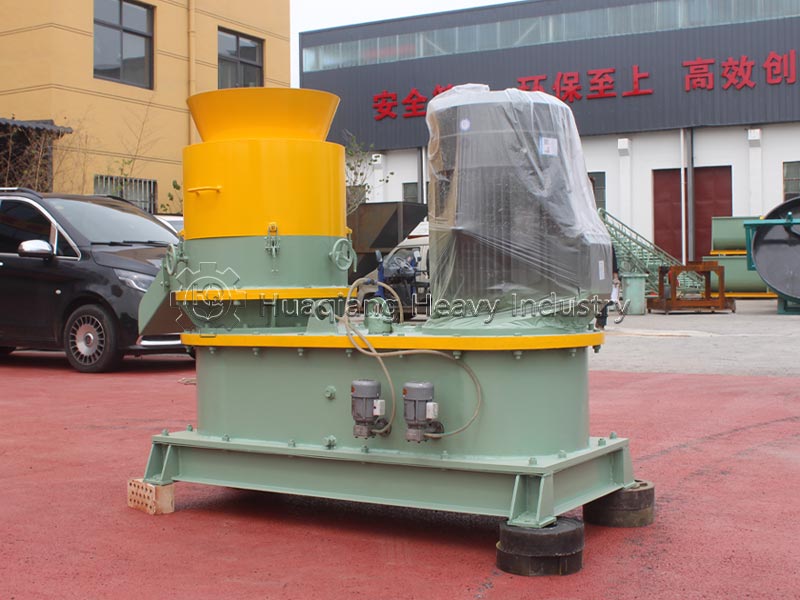
Second, choose application methods flexibly: Base fertilizer can be mixed with organic fertilizer and broadcast or applied in furrows (5-10 cm deep); top dressing can be applied through fertigation or drip irrigation (after dilution); foliar spraying is suitable for emergency fertilization, with the concentration controlled at 0.2%-0.5% to avoid burning leaves.
Finally, pay attention to the details: avoid mixing with alkaline fertilizers to prevent the loss of micronutrients; follow the principle of “small amounts, multiple times”; water promptly during droughts to promote the dissolution and absorption of the compound fertilizer processed by the fertilizer production line and granulator, allowing all elements to work synergistically.
In summary, the key to applying this type of compound fertilizer is to match it with the needs of the crop and soil, choose the right method, and control the dosage to compensate for micronutrient deficiencies, improve fertilizer efficiency, and promote healthy crop growth.