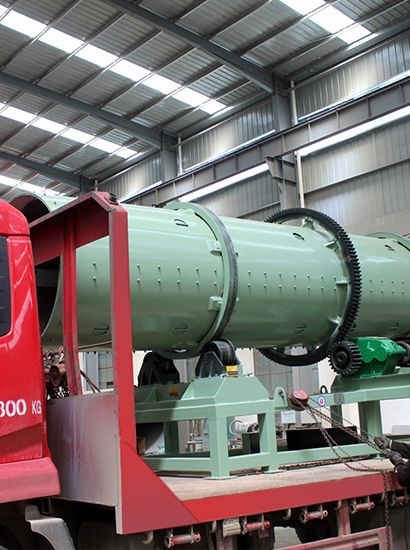
The innovation of NPK granulation equipment is crucial for improving the efficiency of fertilizer production lines, and, combined with precision agriculture applications, it is driving the transformation of the fertilizer industry. From raw material preparation to packaging, the entire production process relies on granulation equipment to ensure fertilizer quality. Extrusion granulation technology eliminates the need for drying and cooling, boasts a high granulation rate, and produces granules with strong solidification properties, making it suitable for low-concentration NPK. Tower granulation prevents clogging through emulsified slurry, ensuring uniform granules. The agglomeration method offers a simple process, high granule strength, and ease of transportation. These characteristics improve fertilizer solubility and slow-release properties, supporting variable-rate fertilization in precision agriculture.
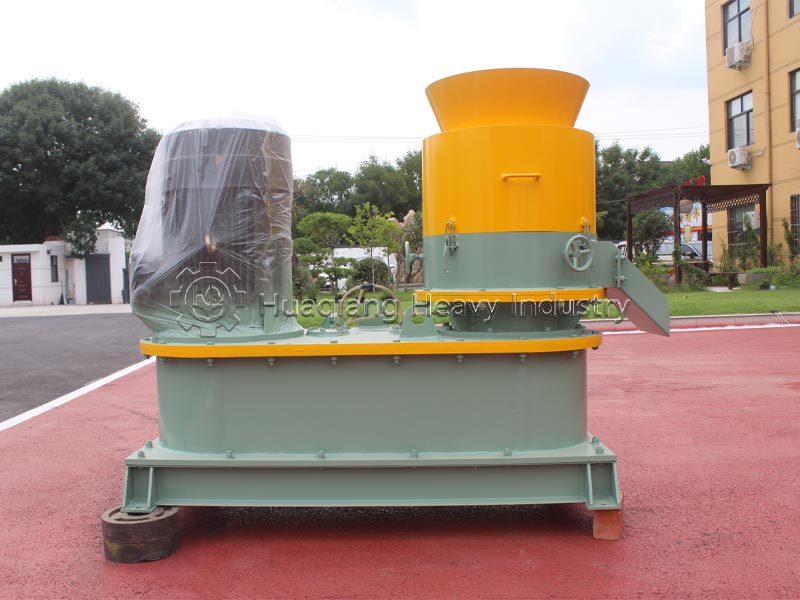
In terms of innovation, nanotechnology and bioengineering are integrated into granulation equipment. Nano-NPK granules provide slow release, and combined with sensor monitoring, allow for real-time adjustment of soil nutrients. The automated metering system in the production line has an accuracy of 1%, and allows for the addition of trace elements such as zinc and boron to form compound fertilizers. The drying process utilizes high-efficiency dryers that support waste heat recovery, reducing energy consumption by 20%-30%. Environmentally friendly design integrates wastewater treatment and dust removal, supporting green production, such as a 5,000-ton annual organic fertilizer project emphasizing low emissions.
In precision agriculture, the slow-release NPK produced by granulation equipment adheres to the 4Rs principle, optimizing application through drones and satellite data. For example, foliar application of nano-NPK increases biological yield in potatoes, and combined with flexible production line formulations, adapts to the needs of different crops. High-nitrogen fertilizers are used for rice, and high-potassium fertilizers for fruit trees. Automated control, such as AI predictive maintenance, reduces downtime and improves overall efficiency.
Global case studies show that factories in the Midwestern United States have introduced innovative granulation equipment, increasing annual production capacity to 120,000 tons and reducing labor costs by 25%. Chinese production lines are exported to Africa, helping to increase local yields. Challenges include raw material compatibility and cybersecurity, but blockchain and 5G are addressing these issues. In the future, granulation equipment will transition to intelligent systems, integrating edge computing to achieve zero-emission targets.
In summary, the innovative features of NPK granulation equipment significantly improve production line efficiency and play a key role in precision agriculture, promoting sustainable development and food security.