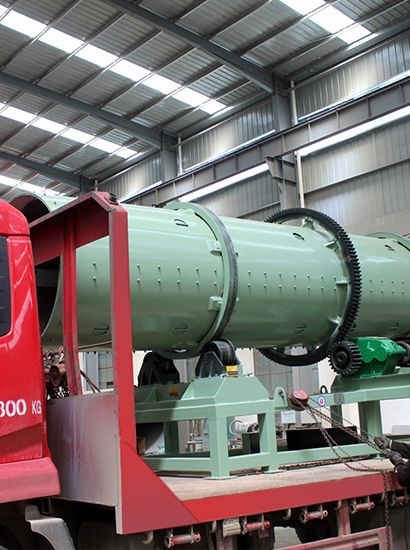
The granulation effect of an NPK fertilizer production line is affected by multiple factors, including raw materials, moisture content, temperature, and equipment parameters. Mastering these key points is crucial for consistently improving granule quality.
Raw material fineness is fundamental; the finer the raw material, the faster the granulator granulates and the smoother the granules. Generally, a fineness of 80 mesh or higher is required. Moisture content is also important; excessive moisture before granulation can cause the material to stick to the granulator walls, while insufficient moisture makes granulation difficult.
The amount of binder directly affects the pelleting rate. Insufficient binder results in loose granules, while excessive binder leads to large clumps. In actual operation of an NPK fertilizer production line, adjustments need to be made in real time based on the raw material moisture content.
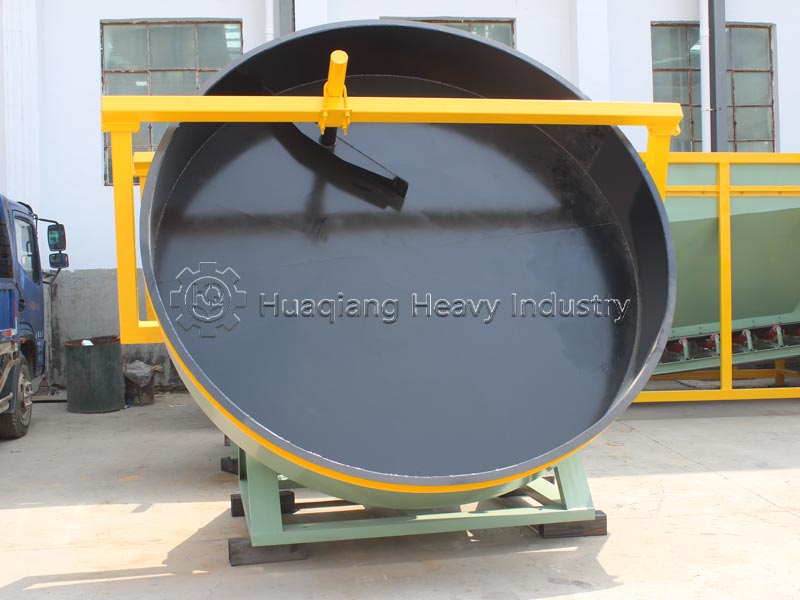
Equipment parameters are equally critical. The rotation speed, tilt angle, feed rate, and hot air temperature of the fertilizer granulator all need precise control. Slow rotation speed and large tilt angle result in longer material residence time and larger granules; high rotation speed and small tilt angle result in finer granules.
When granules are loose, the amount of binder can be increased or the dryer temperature can be decreased; when the granule pulverization rate is high, the drying time can be extended; if the granules are uneven, the feeding speed and the return ratio of the screening machine need to be adjusted. Through precise adjustments to the fertilizer granulator and its supporting equipment, the NPK fertilizer production line can continuously produce qualified granules, ensuring stable product quality.