With the development of large-scale and intensive agriculture, and the promotion of resource utilization of organic waste by environmental protection policies, the number of medium to large-scale organic fertilizer production projects is increasing. For production scales ranging from several thousand tons to tens of thousands or even hundreds of thousands of tons per year, the selection of granulation equipment directly impacts production efficiency, product quality, operational stability, and overall economic benefits.
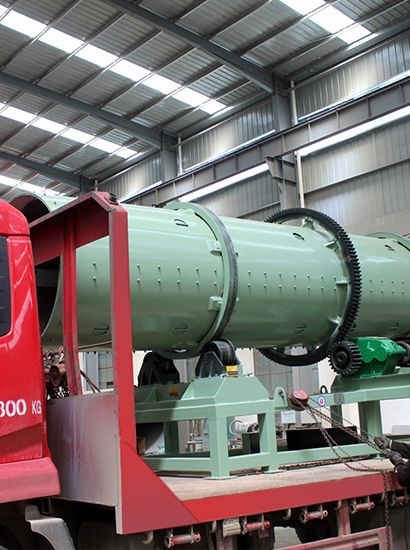
Single Machine Capacity and Production Line Layout: Rotary drum granulators have outstanding single-machine capacity, making them suitable for building compact, high-output fertilizer production lines. Large-scale disc granulators require multiple units in parallel to achieve the same high output, requiring a larger footprint. Large-scale roller extrusion lines are integrated designs.
Automation and Operational Stability: Large-scale rotary drum granulators and roller extrusion production lines generally have higher levels of automation and more stable operation. Large-scale disc granulator systems require high levels of coordination in operation and maintenance.
Energy Consumption and Environmental Protection: Roller extrusion lines have significant advantages in energy consumption (no drying) and environmental protection (dry process, no wastewater). Wet granulation (disc and drum) involves moisture, and subsequent drying energy consumption is an important consideration.
Investment Scale and Long-Term Costs: Roller extrusion lines and large-scale rotary drum machines have higher initial investment costs, but in the long run, the low operating energy consumption of roller extrusion may lead to cost advantages. Disc granulators have relatively lower initial investment costs, but the maintenance costs of multiple units need to be added up. Equipment lifespan and the frequency of replacement of wear parts also affect long-term economic viability.
Key Points Summary
Rotary Drum Granulator: The main force in medium to large-scale wet granulation, with high single-machine capacity, stable operation, suitable for large-scale continuous production, and good adaptability to raw materials.
Large-Scale Disc Granulator: High output can be achieved through multiple units in parallel, producing round granules; the technology is mature, but footprint and management coordination are considerations.
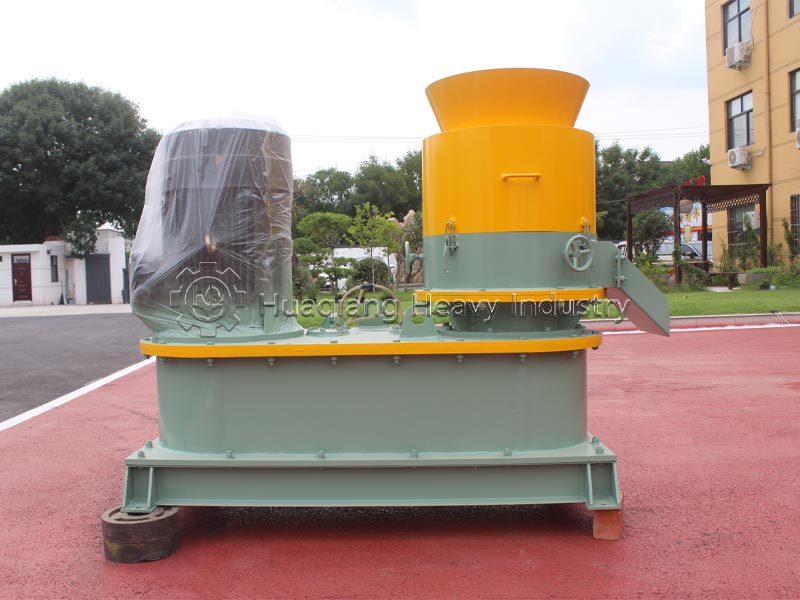
Large-Scale Roller Extrusion Production Line: An energy-saving and environmentally friendly option for dry granulation, producing granules with unique quality (high density, high hardness), suitable for specific materials and product requirements.
Comprehensive Decision-Making: Equipment selection requires a comprehensive assessment of single-line capacity requirements, automation level, workshop layout, raw material characteristics (dryness/moisture content), energy consumption budget, environmental standards, and long-term operating costs. Conclusions and Selection Recommendations:
For companies pursuing large-scale production (such as over 50,000 tons per year), high automation, and high-strength granules, while ensuring a consistent supply of dry powder raw materials, large-scale roller extrusion production lines, despite their high initial investment, offer long-term competitiveness due to their low energy consumption and environmentally friendly characteristics. For conventional medium-to-large-scale organic fertilizer or compound fertilizer production, drum granulators are the mainstream choice due to their powerful single-machine processing capacity and stability. If there is a specific preference for granule roundness and the raw materials are well pre-processed, a multi-unit large-scale disc granulator system is also feasible within a specific production range. Before making a final decision, it is essential to conduct a detailed technical and economic analysis, inspect sample projects, and communicate thoroughly with several reputable equipment suppliers.