pH adjustment is a crucial step in organic fertilizer production lines and a core element in ensuring fertilizer quality. Using standardized organic fertilizer production equipment, adjusting the pH to 6.5-7.5 (neutral to slightly alkaline) promotes raw material decomposition, enhances nutrient activity, prevents fertilizer from becoming too acidic or alkaline, and protects soil balance.
Before adjustment, the pH value must be tested. During the operation of the organic fertilizer production equipment, samples should be taken from the processing stage to determine the acidity or alkalinity, avoiding blind adjustment. Then, based on the deviation, appropriate measures should be taken for either acidic or alkaline conditions.
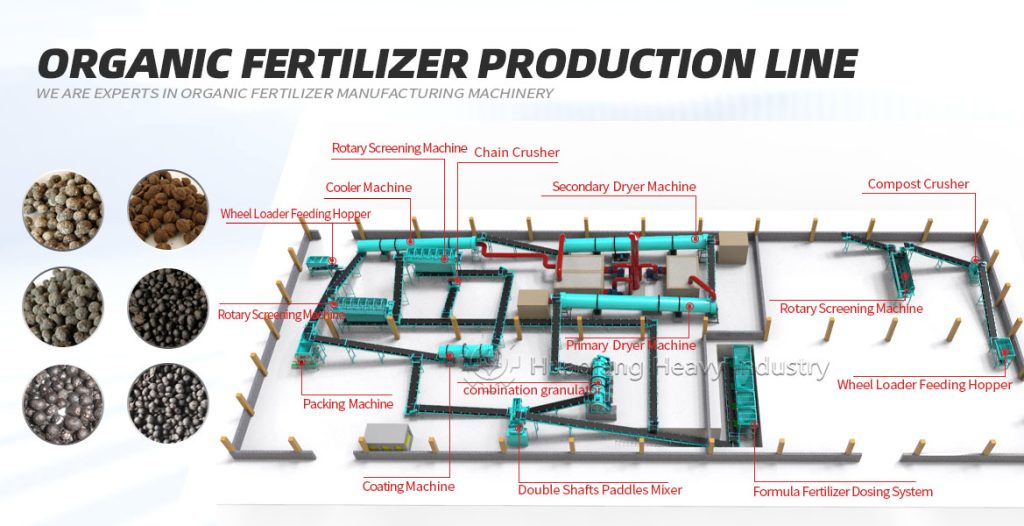
If the organic fertilizer is acidic (pH < 6.5), alkaline regulators such as quicklime or wood ash can be added. These should be mixed into the raw materials in the correct proportions and thoroughly stirred using a fertilizer mixer. This neutralizes the acidity and replenishes nutrients. It should be added in small, multiple batches to avoid a sudden increase in pH that could affect decomposition.
If the organic fertilizer is too alkaline (pH > 7.5), acid regulators such as humic acid and superphosphate can be added. After spreading them into the raw materials, use a fertilizer mixer to slowly neutralize the alkalinity. Avoid using strong acidic substances to prevent burning the composting microorganisms and ensure the stable operation of the organic fertilizer production equipment.
After adjustment, it is necessary to test again to ensure it meets the standards. In conjunction with the operating rhythm of the organic fertilizer production line, and with turning and watering, use a fertilizer mixer to ensure the regulator is evenly mixed, stabilize the pH value, and produce high-quality organic fertilizer suitable for the soil.