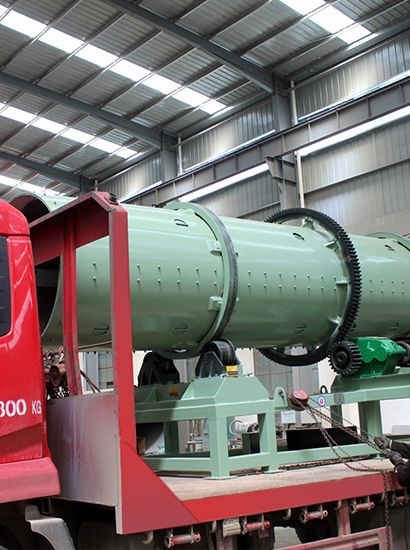
Rotary drum granulators are versatile machines capable of processing both organic and compound fertilizers; however, due to fundamental differences in raw material characteristics and nutrient requirements, distinct variations exist in their processing workflows. The core differences center primarily on raw material compatibility and the precision of process control.
Raw material handling presents significant differences. When processing organic fertilizers, raw materials typically consist of composted livestock and poultry manure, crop straw, and similar substances. These materials often contain numerous impurities and exhibit uneven moisture distribution; consequently, precise ingredient proportioning is not strictly required. The primary focus during pre-treatment is on breaking up clumps, removing impurities, and adjusting moisture levels—a process that allows for a relatively high margin of error. In contrast, processing compound fertilizers involves raw materials such as nitrogen, phosphorus, potassium, and various macro- and micro-elements. These ingredients must be precisely weighed and blended according to a fixed formula. Pre-treatment requires pulverizing the raw materials to a uniform fineness to ensure thorough and homogeneous mixing.
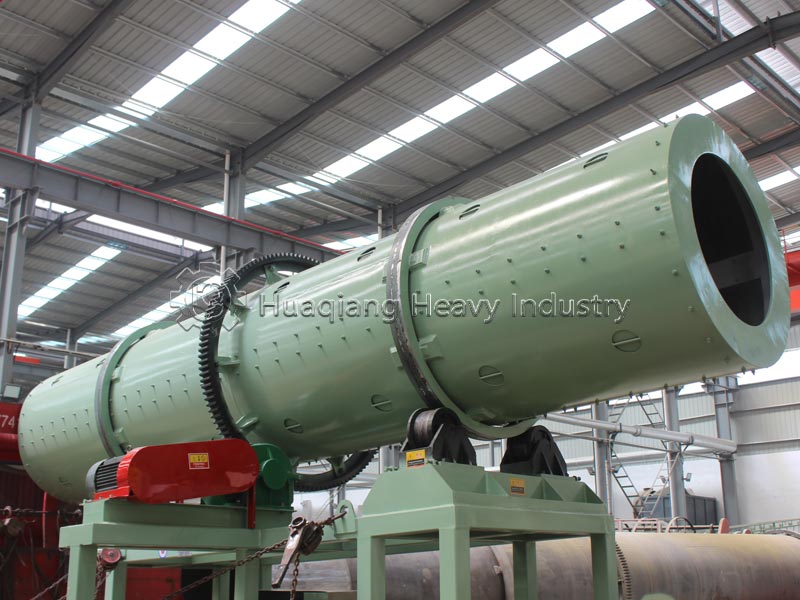
Equipment parameters and process priorities also differ. When processing organic fertilizers, the rotary drum granulator allows for flexible adjustment of rotation speed and drum inclination; the operational emphasis lies on facilitating material tumbling and agglomeration. Strict temperature control is generally unnecessary, and any off-spec granules can be directly recycled for re-granulation. Conversely, when processing compound fertilizers, precise control over rotation speed, drum inclination, and binder spray volume is essential. Furthermore, strict control over granulation temperature is required to ensure uniformity in both granule size and nutrient distribution.
The characteristics of the finished products also vary significantly. Finished organic fertilizers prioritize nutrient retention properties and typically possess a moderate level of granule compactness. Finished compound fertilizers, on the other hand, prioritize nutrient uniformity and granule structural strength to meet the rigorous demands of storage and transportation. Fundamentally, these differences reflect the need to adapt to the distinct characteristics of each fertilizer type; by adjusting its operational parameters and processing techniques, the rotary drum granulator is capable of effectively accommodating the processing requirements of both organic and compound fertilizers.