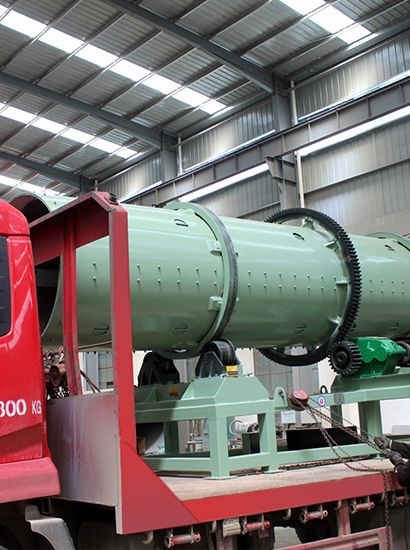
Many farmers wonder when applying organic fertilizer: Organic fertilizer is mild and environmentally friendly, will it burn plants? The answer is: Organic fertilizer processed using proper organic fertilizer production equipment will not burn seedlings when applied correctly. Seedling burn is mostly due to improper application, not the organic fertilizer itself. Mastering the key points can prevent this.
There are three main causes of organic fertilizer burning. First, using uncomposted organic fertilizer. This type of organic fertilizer has often not undergone standardized processing on an organic fertilizer production line and has not been fully composted using a compost turning machine. It continues to ferment in the soil, generating heat, burning the roots and consuming oxygen, leading to root rot. Second, excessive application. High concentrations of organic matter in the soil create high osmotic pressure, causing the roots to lose water and burn the seedlings. Third, improper application. Directly scattering the fertilizer around the roots without mixing it evenly with the soil can lead to excessively high local concentrations that damage the roots.
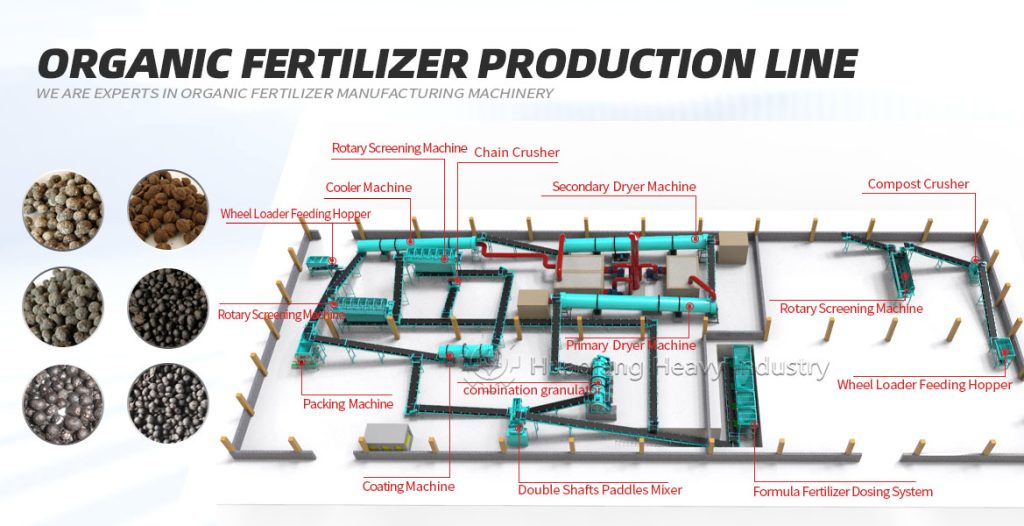
Avoiding seedling burn only requires three things. First, ensure full composting. Use an organic fertilizer compost turning machine to complete the composting process through a complete organic fertilizer production line. Only use the fertilizer when it is odorless, loose, and fine. Secondly, control the dosage, applying an appropriate amount based on soil fertility and crop needs. Finally, apply scientifically, mixing the organic fertilizer thoroughly with the soil, or applying it in furrows or holes away from the root system.
In summary, organic fertilizer itself does not burn seedlings; the key is scientific application. By utilizing standardized organic fertilizer production equipment for proper decomposition, and combining it with reasonable dosage and methods, we can not only leverage its advantages in improving soil quality and increasing yield, but also completely avoid burning seedlings, thus promoting healthy crop growth.