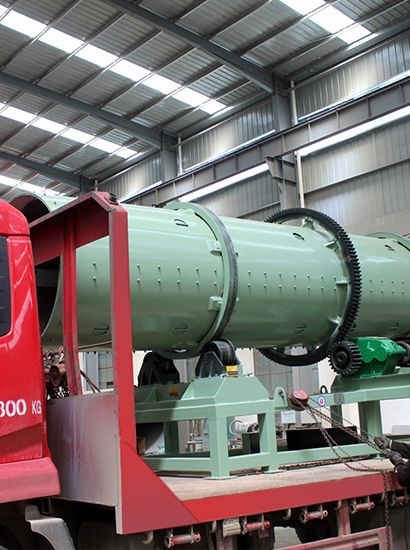
In NPK fertilizer production lines, drying and cooling are crucial processes for ensuring granule quality, strength, and storability. These processes are primarily accomplished using rotary drum dryers and coolers.
Pellets fresh from the fertilizer granulator have high moisture content and are prone to softening, clumping, and pulverizing, necessitating drying. The rotary drum dryer works by providing high-temperature hot air through a hot air furnace. The material is continuously tossed up by lifting plates within the drum, ensuring full contact with the hot air and rapid moisture evaporation. The dryer temperature is typically controlled between 150℃ and 250℃, reducing the moisture content to below 3%.
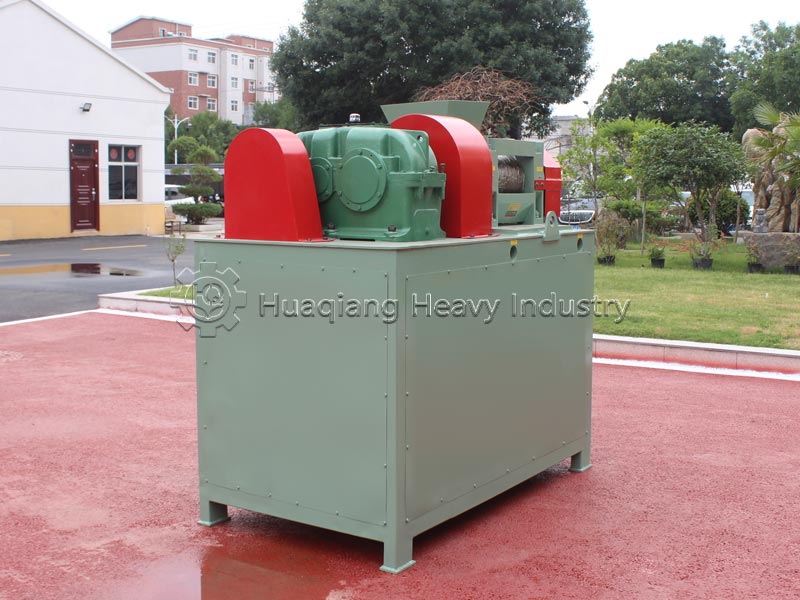
The dried, high-temperature granules are still hot and, if not cooled promptly, will clump and soften. Therefore, they need to enter the cooler. The cooler has a similar structure to the dryer, but it uses ambient temperature natural air. Through reverse contact between the air and the material, the temperature is rapidly reduced to near room temperature.
Fertilizer granules that have undergone drying and cooling have higher hardness, a smoother surface, are less prone to breakage, and are easier to store for long periods. Dryers and coolers can also reduce granulation rate and improve finished product qualification rate.
In NPK fertilizer production lines, drying and cooling equipment works closely with fertilizer granulators and screening machines, and are key equipment for improving granule quality and ensuring stable production.