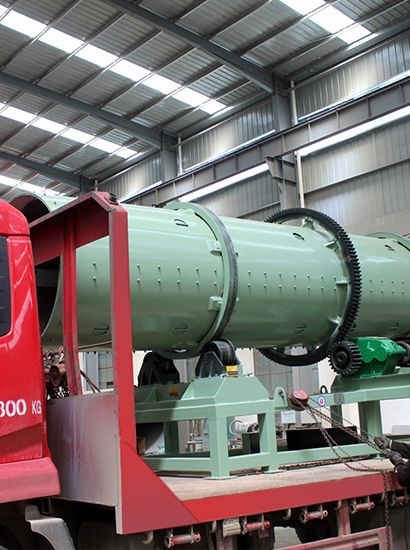
In fertilizer processing, dry granulation technology is a mainstream process, primarily utilizing double roller press granulators. Its purpose is not simply to change the form of the fertilizer, but rather to focus on three core aspects: preserving fertilizer efficacy, facilitating storage and transportation, and adapting to production needs. By considering the characteristics of the raw materials, this technology aims to improve both fertilizer quality and processing efficiency, making it suitable for large-scale production.
Preserving fertilizer efficacy and preventing nutrient loss is the primary objective. Fertilizer dry granulation technology does not require large amounts of water or high-temperature drying. It relies on the mechanical extrusion of the double roller press granulator for direct molding, avoiding the decomposition and volatilization of heat-sensitive and easily decomposable raw materials due to high temperatures. This reduces nutrient loss caused by moisture, ensuring accurate nutrient content.
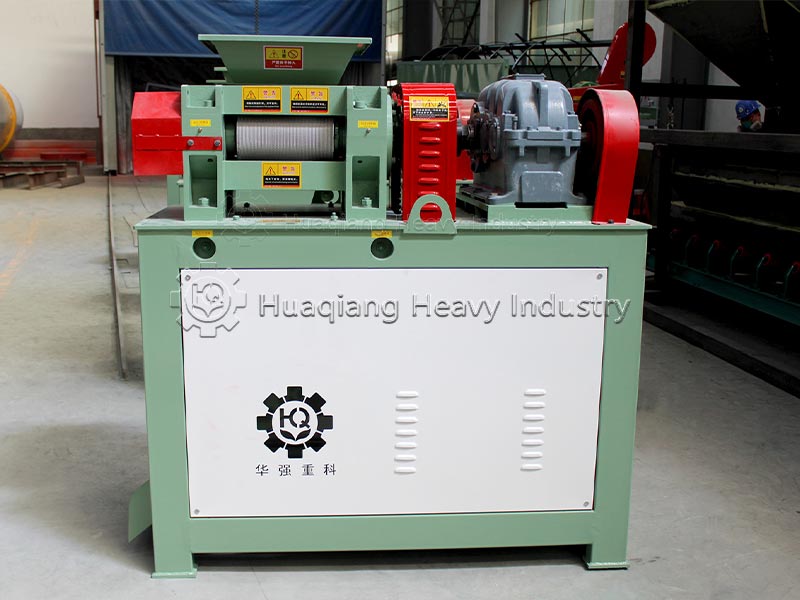
Optimizing form and improving convenience in storage, transportation, and application is a core practical objective. Powdered fertilizers are prone to moisture absorption, caking, and dust dispersion, making application inconvenient. Fertilizer dry granulation technology processes them into uniform, compact granules with good fluidity, facilitating storage, transportation, and precise mechanical application, preventing seedling burn and saving labor while improving efficiency.
Adapting to diverse needs and reducing costs is an important objective. This technology has low energy consumption and does not require complex drying processes. The double roller press granulator can accommodate various raw materials and formulations without requiring large amounts of binders, reducing waste and costs. It also adapts to continuous operation in large-scale fertilizer production lines, improving processing efficiency.
In summary, the core of dry granulation technology in fertilizer processing is to optimize practicality and adapt to production while preserving fertilizer efficacy, balancing quality, efficiency, and cost, laying a solid foundation for subsequent stages of fertilizer processing.