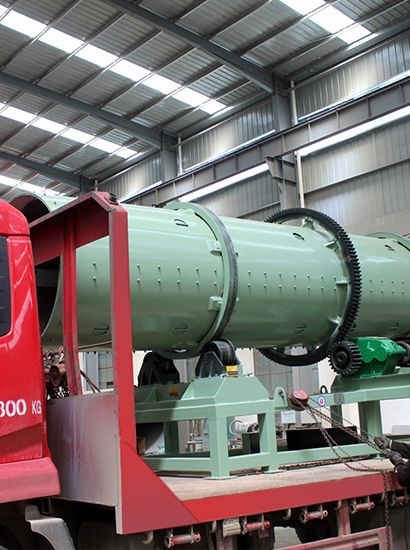
The high-yield compound fertilizer double roller press granulator is a core piece of equipment for large-scale compound fertilizer production. Leveraging its high-efficiency molding and continuous operation advantages, it overcomes the pain points of low efficiency and insufficient capacity in traditional fertilizer granulators. It adapts to diverse compound fertilizer raw material ratios, achieving high and stable output, perfectly meeting the processing needs of large-scale fertilizer production lines.
Its high output stems from precise structural and process adaptation. The equipment adopts a double-roller synchronous extrusion structure, with roller surface textures conforming to the characteristics of compound fertilizer raw materials, enabling rapid molding of uniformly mixed nitrogen, phosphorus, and potassium raw materials. The wear-resistant roller material extends service life, reduces downtime maintenance, ensures 24-hour continuous operation, and significantly increases output per unit time.
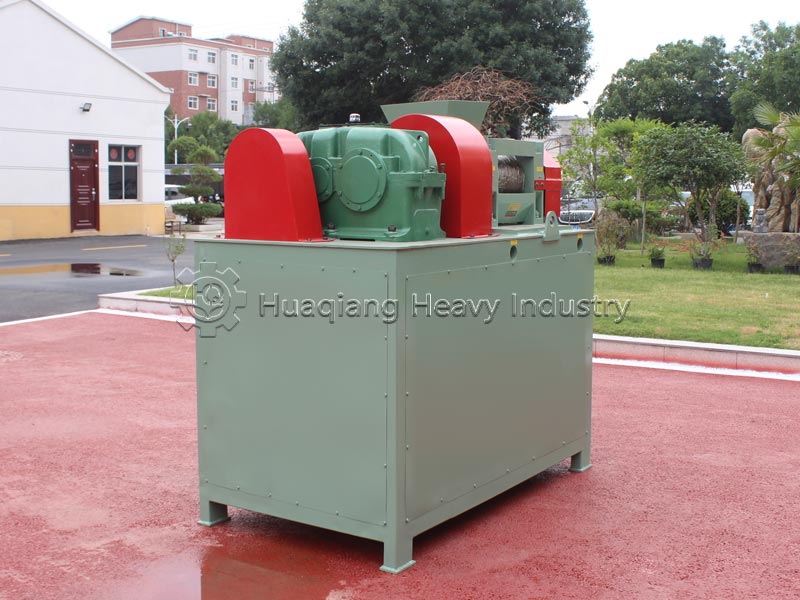
It adapts to diverse compound fertilizer production needs without sacrificing capacity. It requires no large amounts of binders and can process various raw materials such as urea and monoammonium phosphate, flexibly adapting to the production of compound fertilizers with different nutrient ratios. Parameter switching is convenient, requiring no downtime and avoiding wasted capacity.
High output is combined with quality and energy saving, offering outstanding cost-effectiveness. The formed granules are high-strength and uniform in size, reducing the loss of defective granules. Utilizing a dry cold-pressing process, no high-temperature drying is required, resulting in low energy consumption. Defective granules can be recycled, improving raw material utilization.
In summary, the high-yield compound fertilizer double roller press granulator ensures production capacity with its structural advantages and improves efficiency through process adaptation, balancing high output, quality, and energy saving. It is the preferred equipment for large-scale, efficient compound fertilizer production.