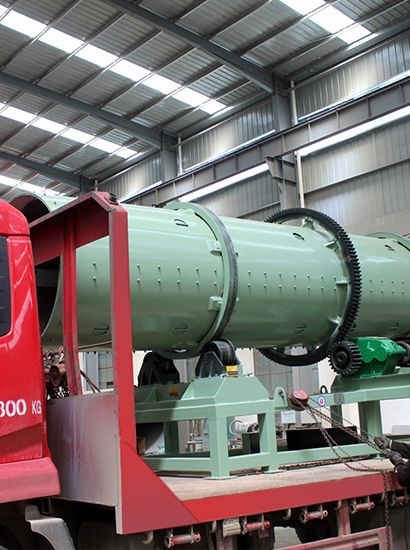
After being processed on a standardized organic fertilizer production line and formed by a fertilizer granulator, the shelf life of granulated organic fertilizer directly affects nutrient activity and application effectiveness. Improper management can easily lead to clumping, mold, and nutrient loss. The key to extending its shelf life is controlling the storage environment and optimizing management methods, managing the entire process from the end of processing on the organic fertilizer production line to storage.
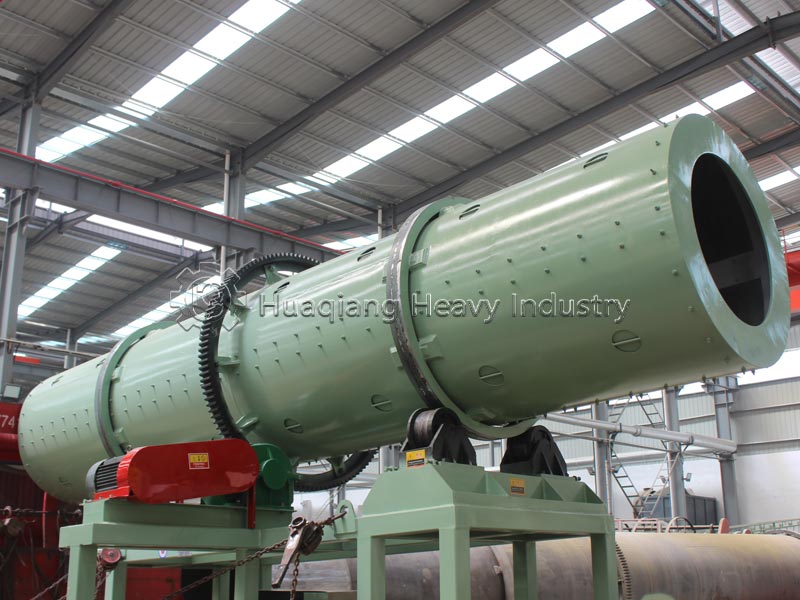
First, proper pre-treatment at the end of processing: After being formed by fertilizer granulators such as rotary drum granulators, the fertilizer needs to be thoroughly dried, controlling the moisture content to 10%-15% to prevent mold growth; screen qualified granules and remove broken impurities to ensure granule integrity and reduce the probability of clumping.
Second, optimize the storage environment: Choose a dry, well-ventilated, and cool warehouse, avoiding open-air storage and protection from rain and direct sunlight; control the warehouse temperature to 5-25℃ and relative humidity to ≤60% to reduce microbial growth, keep it away from corrosive substances, and avoid cross-contamination.
Finally, standardize storage methods: use waterproof and breathable sealed packaging to prevent moisture absorption and clumping; avoid stacking too high or too densely, leaving ventilation gaps; regularly check and treat moldy or clumped material; follow the “first-in, first-out” principle to reduce losses.
In summary, extending the shelf life of granular organic fertilizer hinges on “controlling moisture, controlling the environment, and controlling storage.” Paying attention to details throughout the process can not only extend shelf life but also preserve fertilizer nutrients and ensure application effectiveness.