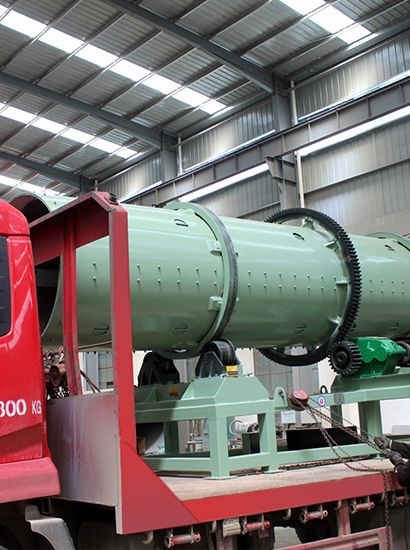
Many fertilizer processing plants focus only on equipment purchase prices when building a line, neglecting the overall investment, which easily leads to budget overruns. The overall cost of a rotary drum granulation production line consists of multiple parts, including equipment, infrastructure, labor, and operation and maintenance. Clarifying the composition of each cost component is key to creating a sound plant construction budget.
Equipment purchase is the main one-time investment, accounting for the highest proportion of the total cost. A complete production line includes rotary drum granulators, mixing, screening, drying and cooling, conveying, and other supporting equipment. The price is determined by the production capacity. Larger capacity equipment has more complete configurations and higher initial investment.
Infrastructure and site are fundamental hard investments. Rotary drum granulation equipment is large and vibrates strongly, requiring hardened ground and a dedicated foundation to ensure stable operation. It also requires a production workshop, raw material and finished product storage areas, and the size of the site must match the production line’s capacity.
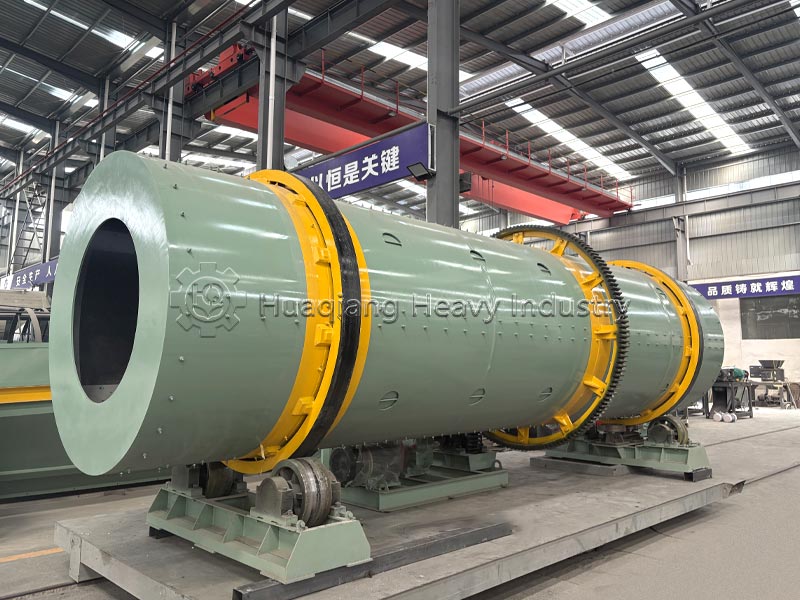
Installation, commissioning, and labor costs also need to be included in the budget. A complete production line requires professional personnel for installation and commissioning to ensure stable equipment operation. After commissioning, the production line needs to be staffed with operators, inspectors, and maintenance personnel, resulting in ongoing labor costs.
Long-term operation also involves hidden costs, including replacement of easily worn equipment parts, water and electricity consumption, and routine maintenance consumables. This production line is suitable for large-scale production; the larger the capacity, the lower the unit operating and maintenance costs, resulting in more significant long-term economic benefits.
Overall, the cost of a rotary drum granulation production line can be divided into one-time construction costs and long-term operating costs. Reasonable selection of the type and planning of site infrastructure based on specific needs can effectively control production costs.