Disc granulation technology is a widely utilized technique in fertilizer processing. Although it offers operational simplicity and strong adaptability, production often encounters issues such as low granulation rates, inconsistent particle size, and material buildup on the disc walls. By implementing targeted optimizations to specific details, however, both efficiency can be significantly boosted and material loss substantially reduced.
Optimize Material Pre-treatment: Raw materials must be pulverized to a uniform fineness and cleared of impurities or clumps to prevent interference with the molding process. Concurrently, material moisture and viscosity require precise regulation, with binders added as appropriate based on the specific characteristics of the raw materials.
Optimize Equipment Parameter Adjustment: Flexibly adjust the disc’s inclination angle (ideally maintained between 30° and 45°) and rotational speed. Avoid excessive speeds, which can cause material to scatter, as well as speeds that are too slow, which can result in sluggish granulation. Additionally, regularly inspect the scraper mechanism and adjust its clearance relative to the disc body to prevent the accumulation of material on the walls.
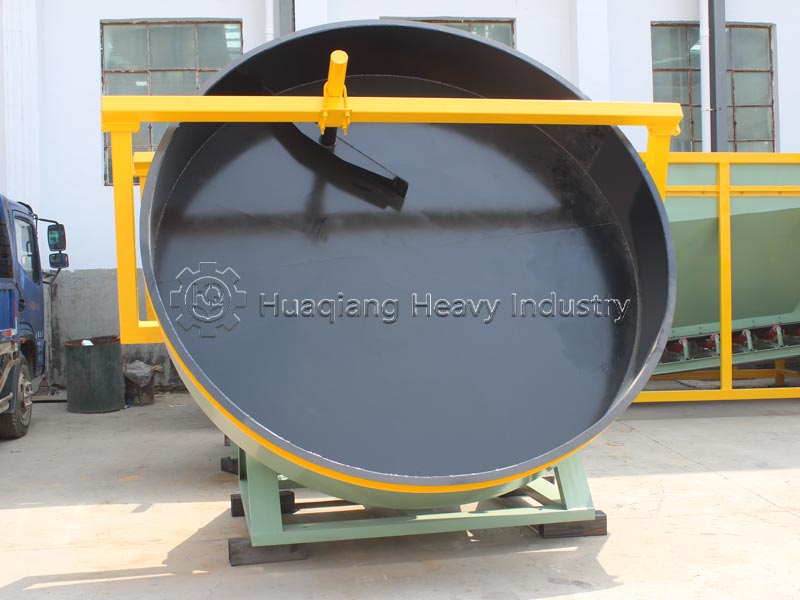
Optimize Auxiliary Process Integration: Incorporate a pressure-stabilizing spray system during the granulation phase to ensure the uniform application of moisture and binders. Following granulation, promptly transition the material to drying and cooling stages to prevent particle clumping and subsequent breakage. Finally, conduct regular equipment cleaning to minimize material residue, thereby extending the service life of the disc granulator and reducing maintenance costs.
The core principle of optimizing the disc granulation process lies in aligning operations with the specific characteristics of the raw materials and the demands of production. Complex structural modifications are unnecessary; by simply refining material pre-treatment, precisely adjusting equipment parameters, and perfecting auxiliary processes, one can successfully achieve highly efficient, high-quality, and low-waste granulation results.