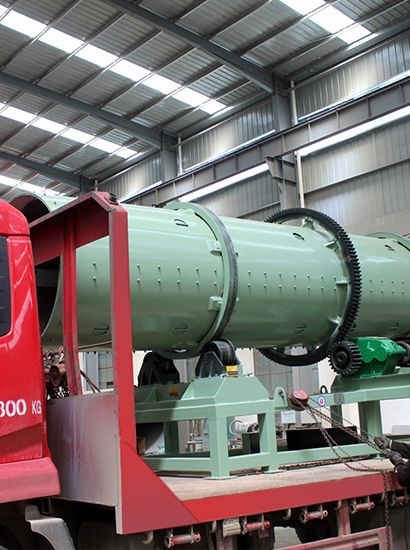
In the processing of organic fertilizers, incorporating nitrogen fertilizers can significantly enhance nutrient efficacy. The organic fertilizer disc granulator—known for its gentle granulation process and strong adaptability—is capable of accommodating a wide variety of nitrogen fertilizers. However, selection must be guided by the specific physicochemical properties of the nitrogen fertilizer to prevent adverse effects on granulation quality or nutrient loss.
The most compatible option is urea, which is also the most widely utilized nitrogen fertilizer in organic fertilizer processing. Urea exhibits moderate hygroscopicity and high water solubility; when blended with fully composted organic matter, the rolling action of the disc granulator facilitates uniform bonding and granulation without the need for complex pre-treatment. Furthermore, the granulation process generates no harmful gases, resulting in minimal nutrient loss.
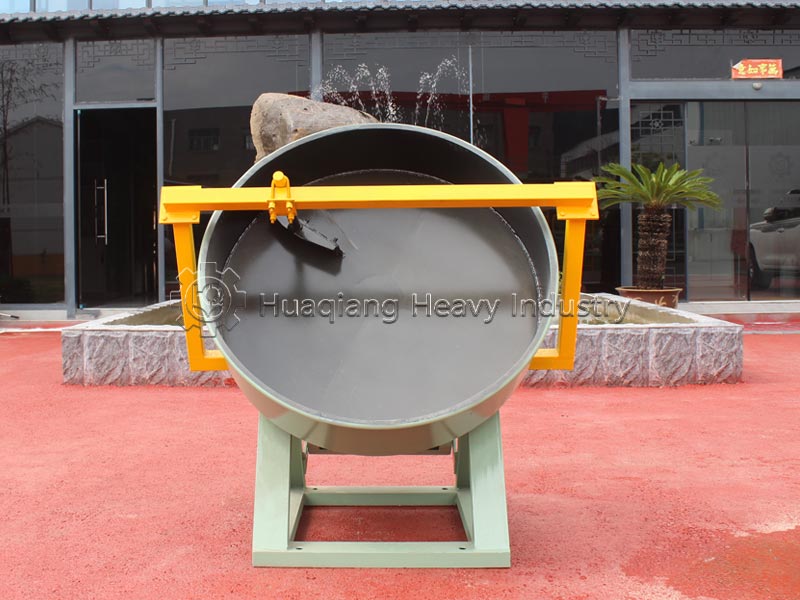
The second most suitable option is ammonium chloride, which also demonstrates strong compatibility. It possesses excellent stability and lower hygroscopicity compared to urea; consequently, it does not suffer from severe caking when mixed with organic fertilizers, allowing for smooth and efficient shaping within the disc granulator. Additionally, its affordable price point makes it an ideal choice for small-to-medium scale or budget-conscious organic fertilizer processing operations.
Additionally, ammonium sulfate is a compatible option. It features low hygroscopicity and high stability, blends uniformly with organic fertilizers, and produces granules that are compact and resistant to crumbling. Moreover, it serves to replenish sulfur levels in the soil, making it particularly suitable for applications where specific soil sulfur enrichment is required.
It is important to note that nitrogen fertilizers with extremely high hygroscopicity or volatility—such as ammonium nitrate—are unsuitable for this process. Their use can lead to issues such as material sticking to the granulator walls and severe caking during granulation, in addition to causing significant nutrient loss. In summary, the organic fertilizer disc granulator is best suited for processing nitrogen fertilizers such as urea, ammonium chloride, and ammonium sulfate.