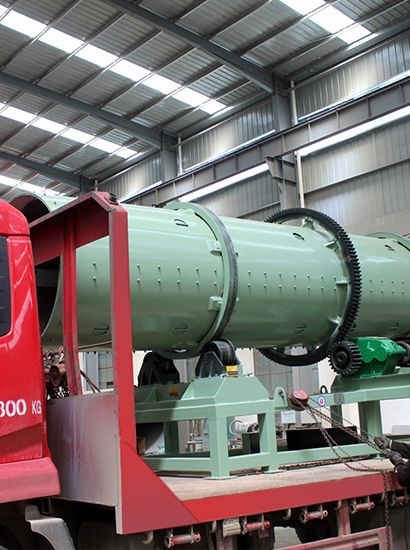
As a high-quality raw material for organic fertilizer, chicken manure—when processed using disc granulation technology—can be transformed from loose waste into uniform granules. This enhances the ease of storage and transport while boosting fertilizer efficacy, making the process ideally suited for small-to-medium scale processing operations.
The prerequisite for the chicken manure disc granulation process is raw material pretreatment: the composted chicken manure is first pulverized to remove impurities such as stones and straw. It is then blended with appropriate amounts of conditioning agents—such as straw powder and bentonite—to adjust the material’s moisture content to between 50% and 60%, thereby preparing it for the subsequent granulation stage.
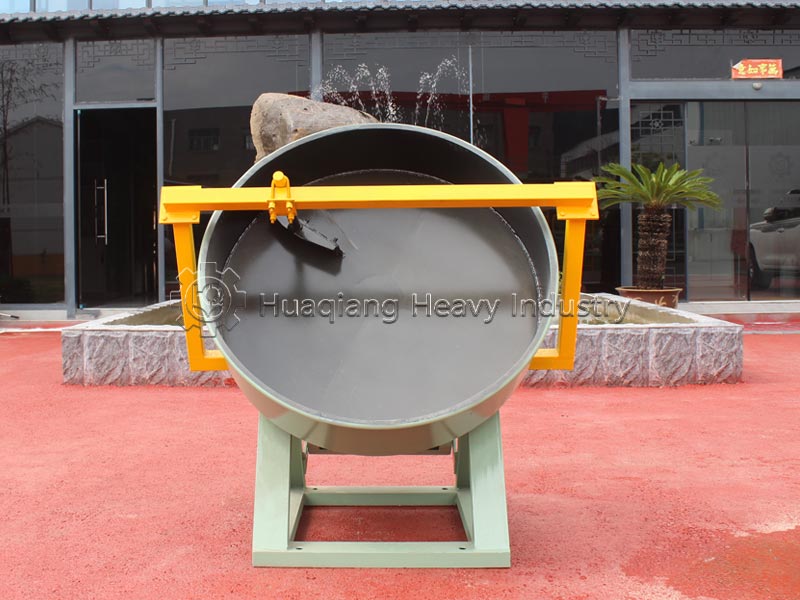
Once pretreatment is complete, the material proceeds to the core granulation stage: the conditioned chicken manure is fed at a steady rate into a disc granulator. The tilt angle of the disc is set to between 30° and 45°, and the rotational speed is adjusted to an optimal range. A small amount of binder is sprayed evenly onto the material; utilizing the combined forces of centrifugal force and friction, the material agglomerates into smooth, rounded granules. The size of these granules can be precisely controlled by adjusting the rotational speed.
The essence of this entire granulation process lies in its ability to effectively accommodate the specific viscosity and moisture characteristics of chicken manure. It enables the successful resource utilization of chicken manure without the need for complex equipment modifications, yielding organic fertilizer granules with consistent and stable efficacy.