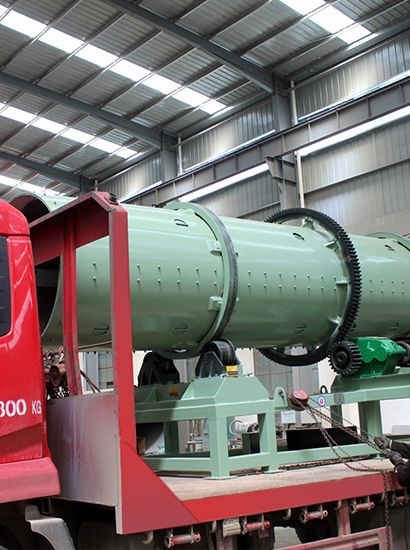
Nitrogen fertilizer is a core nutrient source in agricultural production. Common types include urea, ammonium bicarbonate, and ammonium chloride. The processing methods differ for each type, but all require a fertilizer granulator to ensure granule formation and convenient application.
Urea, the most commonly used nitrogen fertilizer, is processed using a synthetic method: ammonia and carbon dioxide are reacted under high temperature and pressure to produce ammonium carbamate. After dehydration and crystallization, it is processed into granules using a rotary drum granulator. Strict temperature and pressure control is required during this process to ensure purity and granule uniformity.
Ammonium bicarbonate processing is relatively simple. It is produced by directly reacting ammonia and carbon dioxide in water. After separation and drying, it is granulated using a fertilizer granulator to prevent clumping during transportation and application. Simultaneously, the reaction temperature is controlled to prevent nutrient volatilization.
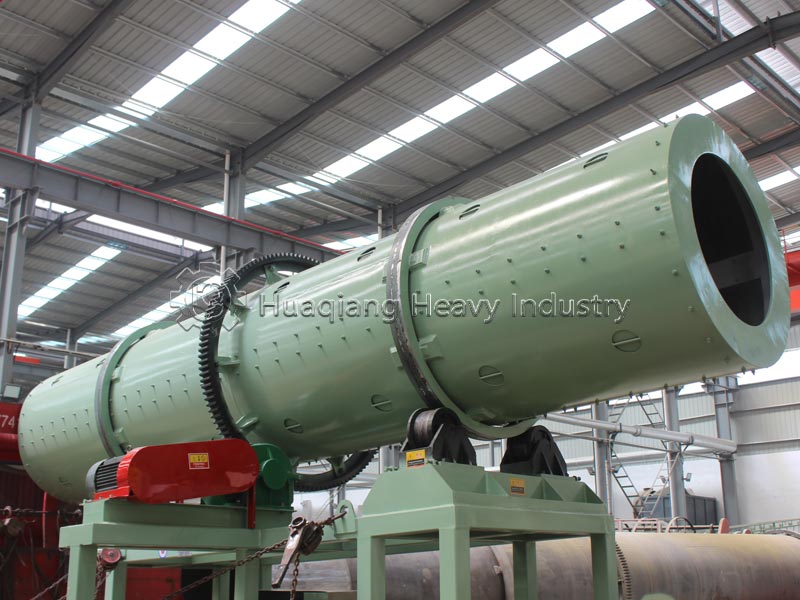
There are two methods for processing ammonium chloride: one is as a byproduct of the combined alkali production process, and the other is direct synthesis from ammonia and hydrochloric acid. Both methods require separation and drying, followed by granulation using a fertilizer granulator. Controlling the hydrochloric acid concentration is crucial to prevent corrosion and ensure nutrient stability.
In summary, common nitrogen fertilizer processing requires selecting an appropriate method based on its specific characteristics, utilizing a fertilizer granulator to ensure proper granulation, and controlling key parameters to produce high-purity, nutrient-stable nitrogen fertilizer that meets the needs of agricultural production.