The core of fertilizer agglomeration is using the binding effect of an adhesive to coagulate loose raw materials into uniform granules, facilitating storage and application. Especially in organic fertilizer production lines, a suitable adhesive is crucial for ensuring the quality of granular fertilizer. The key to selecting an adhesive is matching it to the fertilizer type, processing technology, and agglomeration requirements, ensuring agglomeration effectiveness without compromising fertilizer efficiency, and avoiding ineffective selection due to blind choice.
Selection should follow three main principles: First, suitable binding strength, enabling rapid coagulation of raw materials into non-loose granules; second, good compatibility, not reacting with fertilizer nutrients or reducing activity; and third, suitability for the processing scenario, balancing cost and environmental protection, and leaving no residue.
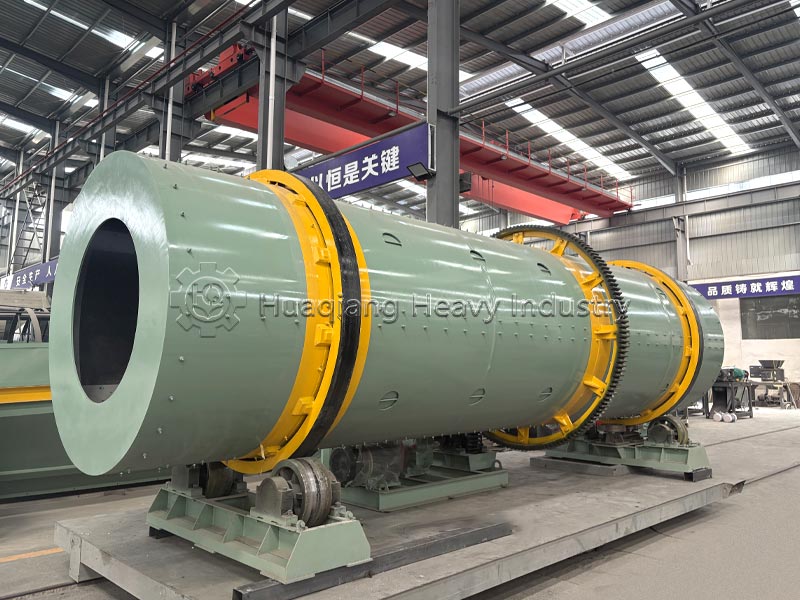
Different adhesives are suitable for different fertilizers: Organic adhesives (starch, humic acid, etc.) have gentle binding properties, suitable for organic fertilizers, fruit and vegetable fertilizers, and organic fertilizer production lines, improving water and fertilizer retention capacity and being easily degradable; inorganic adhesives (bentonite, etc.) have strong binding strength, suitable for compound fertilizers, suitable for large-scale processing, and compatible with rotary drum granulators.
Practical Tips: Select binders according to raw material characteristics: organic binders for wet materials and inorganic binders for dry materials; control the dosage to avoid overly hard granules or agglomeration and ineffectiveness; use a fertilizer mixer to thoroughly mix the binder with the raw materials, adapting it to the operational needs of the organic fertilizer production line.
In summary, the core of binder selection is “suitability.” By combining fertilizer type, raw material state, and processing requirements, selecting the right type and controlling the dosage can achieve effective fertilizer agglomeration, balancing granule quality and fertilizer efficacy.