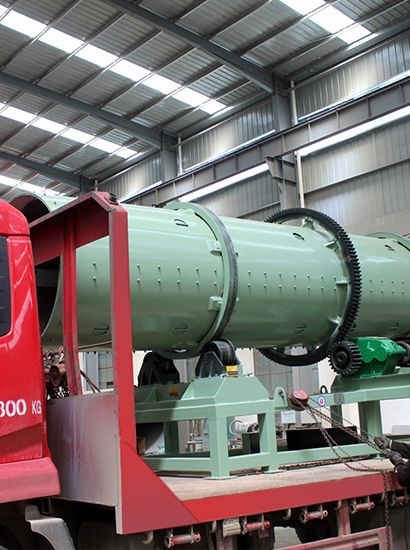
As a crucial type of fertilizer granulator, the dry double roller press granulator is a core piece of equipment for large-scale production of NPK compound fertilizers. With its advantages of no drying required, low energy consumption, and strong adaptability, it is suitable for various nitrogen, phosphorus, and potassium raw material ratios.
Dry granulation is its core advantage, meeting the diverse needs of NPK fertilizer production lines. Compared to wet granulation equipment, this fertilizer granulator eliminates the need for high-temperature drying, directly pressing the uniformly mixed NPK raw materials into shape through double-roller extrusion. This significantly saves energy and avoids nutrient loss caused by high temperatures, ensuring that the compound fertilizer nutrients meet precise standards.
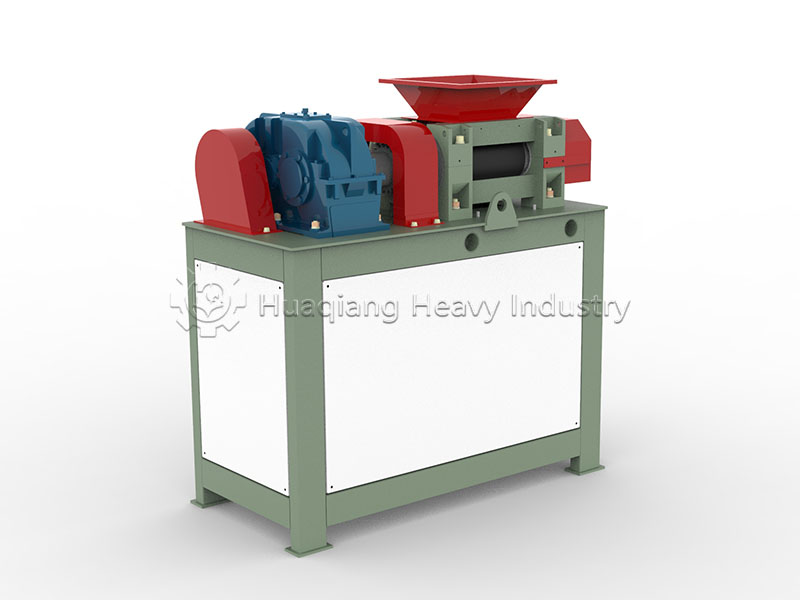
Its adaptability is perfectly suited to the factory-scale scenarios of NPK fertilizer production lines. It can process various NPK basic raw materials such as urea and monoammonium phosphate, without complex pre-treatment. Parameters can be easily adjusted to meet the production needs of compound fertilizers with different nutrient ratios. The formed granules have high strength and are not prone to caking, making them suitable for subsequent screening and packaging processes.
The core structure is designed for large-scale operations. The double rollers are made of wear-resistant materials, reducing wear and downtime for maintenance. The feeding and roller speeds can be precisely controlled, ensuring uniform particle size and meeting the standardized production requirements of NPK compound fertilizers, while also producing no wastewater or exhaust gas emissions.
This fertilizer granulator provides NPK fertilizer production lines with energy efficiency, high efficiency, and quality, adapting to small, medium, and large-scale production capacities. It can meet diverse production needs while reducing overall costs.