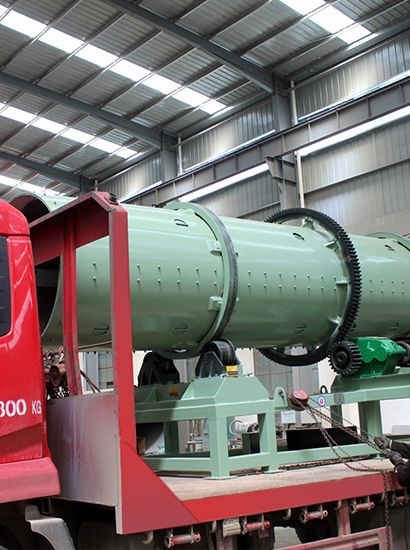
The selection of a fertilizer granulator directly impacts production efficiency, product quality, and overall costs. The key is to match the granulator to your specific production needs. Consider key dimensions such as fertilizer type, production capacity, and finished granule requirements.
Prioritize based on fertilizer type. For organic fertilizers, rotary drum granulators or disc granulators are recommended. Both are suitable for fermented and composted organic materials such as livestock manure and straw. Rotary drum granulators are better suited for large-scale production, while disc granulators are suitable for small to medium-sized production capacities and scenarios requiring high granule uniformity. For compound fertilizers, consider rotary drum granulators or double roller press granulators. Rotary drum granulators are suitable for multi-material mixing and granulation, while double roller press granulators do not require additional water and are suitable for heat-sensitive and water-soluble raw materials.
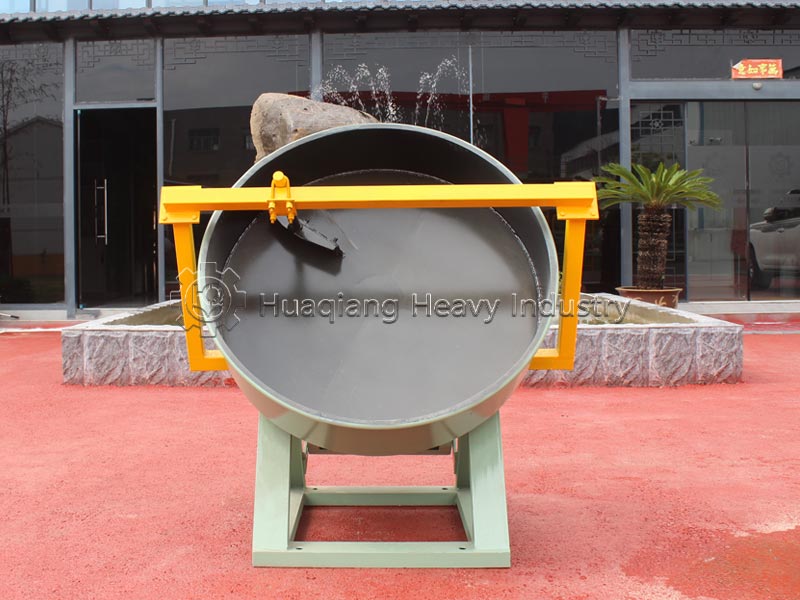
Refine your selection based on production capacity. For small to medium capacities (50-200 tons per day), a disc granulator is a good choice due to its small footprint, simple operation, and low investment cost. For medium to large capacities (over 200 tons per day), a rotary drum granulator is recommended due to its strong continuous production capacity and high stability, and it can be integrated into a complete production line for automated operation. For small-batch trial production or processing of special materials, the flexibility of a double roller press granulator is more advantageous.
Consider finished granule requirements and costs. If high granule strength and uniform particle size are required, rotary drum granulators and double roller press granulators perform better; for high granule roundness requirements, a disc granulator is the preferred choice. Also consider energy consumption and environmental requirements, prioritizing models with good sealing and effective dust control to reduce future environmental investment. By considering all these dimensions, you can select a granulator that perfectly matches your production needs.