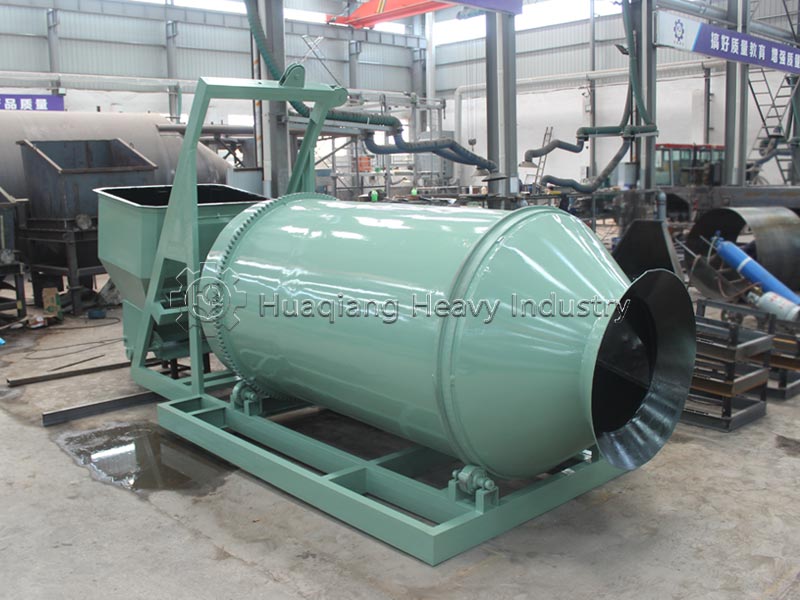
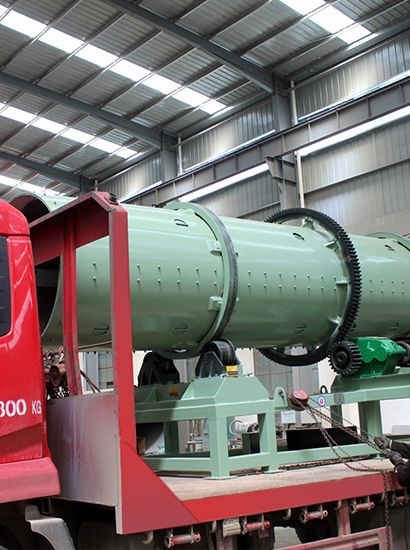
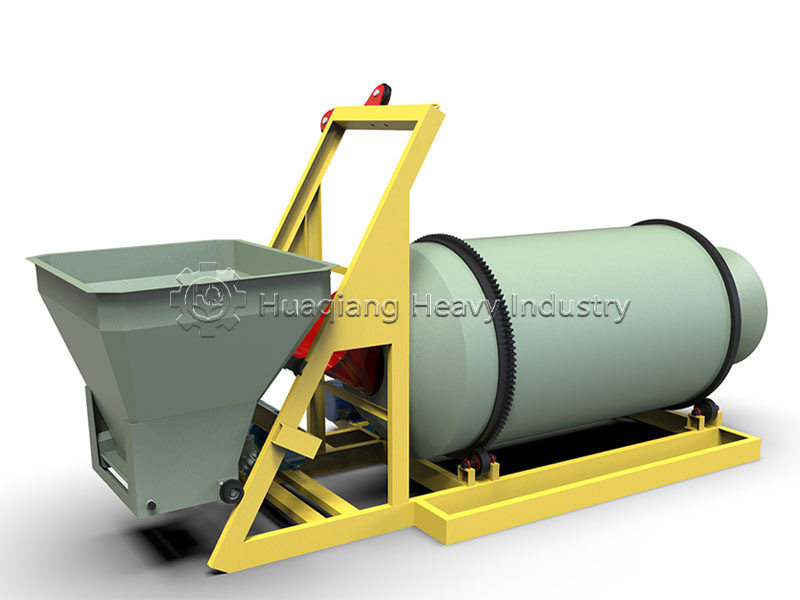
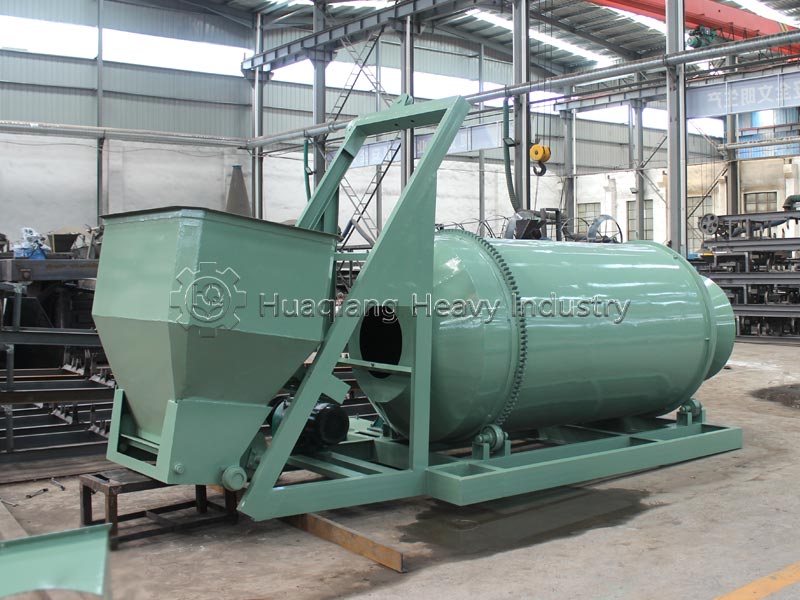
The BB fertilizer mixer is a core mixing device in a blended fertilizer production line, used to physically mix granular base fertilizers such as urea, ammonium phosphate, and potash fertilizer according to the formula ratio. Unlike organic fertilizer mixing equipment, the BB fertilizer mixer prioritizes maintaining particle integrity, avoiding particle breakage during the mixing process. The equipment offers flexible drum volumes, ranging from several hundred liters to several cubic meters, to meet the needs of different BB fertilizer production scales.
After the materials are added to the mixing drum according to the formula, the main shaft drives the mixing arms to rotate. The mixing arms push the materials upwards along the drum wall at an appropriate speed. After reaching a certain height, the materials naturally flow down under gravity. The materials form a circulating convection within the drum, with particles of different components interpenetrating and permeating each other. The appropriate gap between the mixing mechanism and the drum wall minimizes the compressive pressure on the particles during tumbling, maintaining their integrity. Discharge occurs after the set time.
Granular Urea: The main nitrogen source in BB fertilizers, typically 1-4mm in size.
Monoammonium Phosphate, Diammonium Phosphate: The main phosphorus source in BB fertilizers, granular.
Granular Potassium Chloride, Potassium Sulfate: The main potassium source in BB fertilizers, 1-3mm in size.
Large Granular Urea: Large-diameter urea granules, used in slow-release BB fertilizers.
Filler Granules: Inert filler materials such as bentonite granules.
Micronutrient Granular Fertilizer: Granular fertilizer containing micronutrients such as boron, zinc, and iron.

The incoming material must be finished granular fertilizer, with a particle size generally between 1-5mm. The particle sizes of each component should be as similar as possible; excessive particle size differences will cause segregation and stratification during subsequent storage and transportation.
Particle strength must meet certain standards; insufficient strength will easily lead to breakage and pulverization during mixing and handling.