
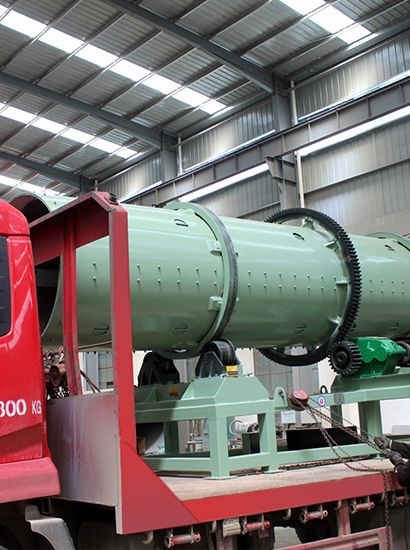
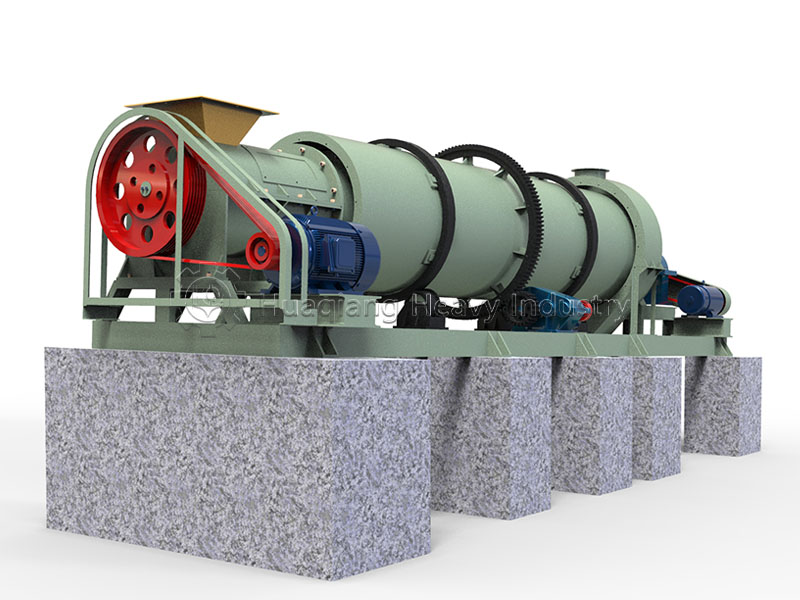
The new type two in one organic fertilizer granulator integrates the material mixing and granulation processes into a single piece of equipment, eliminating the need for a separate mixer and intermediate material transfer steps. For users, having one less machine means not only saving on purchase costs but also requiring less floor space, consuming less electricity and labor, and simplifying the workflow. Materials enter through the feed inlet and undergo water addition, kneading, mixing, and rolling into spheres—all within the same inclined rotating drum—emerging as perfectly round granules. Operation is straightforward; the key lies in controlling three parameters: feed rate, water spray volume, and drum rotation speed. Once properly calibrated, a single operator can manage the entire process. This new type two in one organic fertilizer granulator is an ideal choice for small and medium-sized organic fertilizer producers looking to streamline their production processes, minimize equipment count, and simplify daily operation and maintenance.
Upon entering the rotating drum, the material moves toward the outlet along the inclined inner wall while transforming from dry powder into granules. As the drum rotates, the material is lifted by the inner wall and rolls back down, creating a continuous, tumbling curtain of material. The front section is equipped with specially angled guide plates and mixing structures that repeatedly churn the material; simultaneously, multiple nozzles spray atomized water onto the tumbling curtain, allowing the dry powder to rapidly and evenly absorb moisture and form small, moist clumps. As the material advances, the mixing intensity decreases and the drum wall becomes smoother, transitioning the material into a zone dominated by rolling action. Through repeated rolling and collisions, the moist clumps adhere to surrounding dry powder and fine wet particles, growing layer by layer like a rolling snowball. By the time the material reaches the end of the drum, the granules have achieved the required size and density and naturally spill out of the discharge port. The material remains in constant motion throughout the process with no stagnant zones; there is no distinct boundary between mixing and granulation, ensuring a smooth and natural transition.
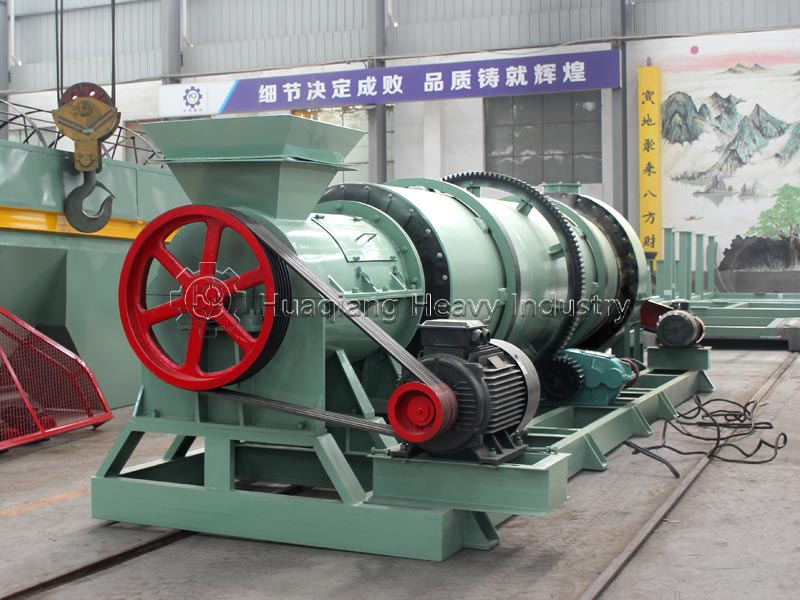
Before startup, check the drum for any residual hardened material clumps, ensure the spray lines and nozzles are unobstructed, and verify that the oil levels in the gearbox and support rollers are normal. After verifying everything is correct, start the drum rotation without a load and run it for a few minutes to ensure smooth, steady operation.
Feeding stage. Start the feed screw to introduce a small amount of material while simultaneously activating the spray system, starting with a low water flow rate and gradually increasing it. Observe the state of the material in the front section of the drum; the ideal mixing zone condition features moist, loose material that neither generates dust nor turns into mud. If the material is too dry, increase the water spray; if it is too wet and clumps together, reduce the spray or slightly increase the drum rotation speed. Once granules begin to discharge, inspect them for roundness and uniformity in size, then fine-tune parameters to achieve optimal results.
During steady production, maintain the three main parameters and periodically check the discharged granules, ammeter readings, and equipment operating sounds. Every one to two hours, inspect the nozzles for clogs and check if the spray filter requires flushing.
Shutdown sequence. First, stop the feed and allow the remaining material in the drum to continue granulating and discharging; once granules stop exiting the discharge port, turn off the spray system, and finally, stop the drum rotation. Before a prolonged shutdown, clear out any residual wet material from the drum to prevent it from hardening.

Granules failing to form; discharge consists mostly of powder rather than granules. This is usually caused by insufficient water spray or excessive drum rotation speed. Insufficient water prevents effective material bonding, while excessive speed pushes material out of the drum before it can form into pellets. Increase the water spray and appropriately reduce the rotation speed to extend the material’s pelletizing time inside the drum.
Material sticking to the wall or clumping in the front section of the drum. This is generally caused by excessive water spray or fluctuations in the feed rate. Quickly reduce the water spray and check the nozzles for poor atomization (e.g., spraying a stream of water instead of a mist). Also, maintain a stable feed rate to avoid sudden fluctuations.
Inconsistent granule sizes. This may be due to uneven material flow within the drum. Check for skewed feeding, inconsistent water output across nozzles, or localized material accumulation inside the drum. Adjust the feed position and nozzle layout to ensure material and water are evenly distributed across the drum’s cross-section.
Intermittent discharge (clogging and clearing) and fluctuating output. This is usually caused by discontinuous feeding. When the powder material has poor flowability, it tends to bridge inside the hopper, necessitating the installation of an anti-bridging device or manual agitation. Additionally, if the cylinder’s inclination angle is too shallow, material movement may be sluggish; increasing the angle appropriately can resolve this issue.
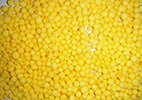
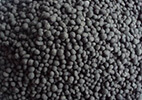
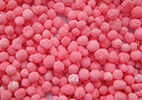
Regarding equipment procurement: while the new type two in one organic fertilizer granulator itself is slightly more expensive than a single-function granulator of the same specifications, the elimination of a separate mixing stage results in a lower total equipment cost for the granulation section compared to a split-system setup. Auxiliary equipment—such as the feed elevator, discharge conveyor, and screening machine—is still required, and the drying system is configured based on material properties and production capacity; however, the reduction in the total number of units leads to lower installation and footprint-related costs.
Regarding operating costs: the mixing process typically requires a separate motor to drive the mixing shaft, whereas the two-in-one design integrates this power consumption into the main motor. Although the main motor has a slightly higher power rating than that of a split-system granulator, the total installed power for the entire line is actually reduced. Wear parts primarily consist of the mixing blades and liner plates inside the cylinder, which have a long service life. Routine maintenance involves standard lubrication as well as cleaning nozzles and inspecting spray piping, resulting in low maintenance costs.
