
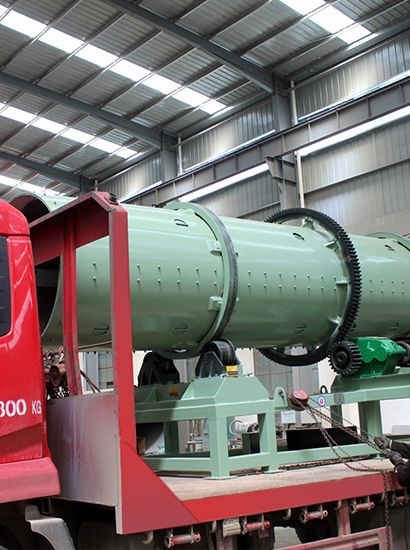
The rotary screening machine is specialized equipment used in the fertilizer industry to classify granular materials based on particle size. It utilizes a rotating cylindrical screen drum to tumble and move the material inside; particles smaller than the screen apertures pass through to become the undersized product, while materials larger than the apertures move forward along the drum and are discharged from the end, thereby effectively separating materials of different sizes. In organic and compound fertilizer production lines, the rotary screening machine is typically positioned after the granulation, drying, and cooling stages to separate finished granules from fine powder and oversized particles, ensuring uniform particle size in the final product. Featuring a simple structure, high screening efficiency, and stable operation, it serves as a crucial piece of equipment for quality control in fertilizer production.
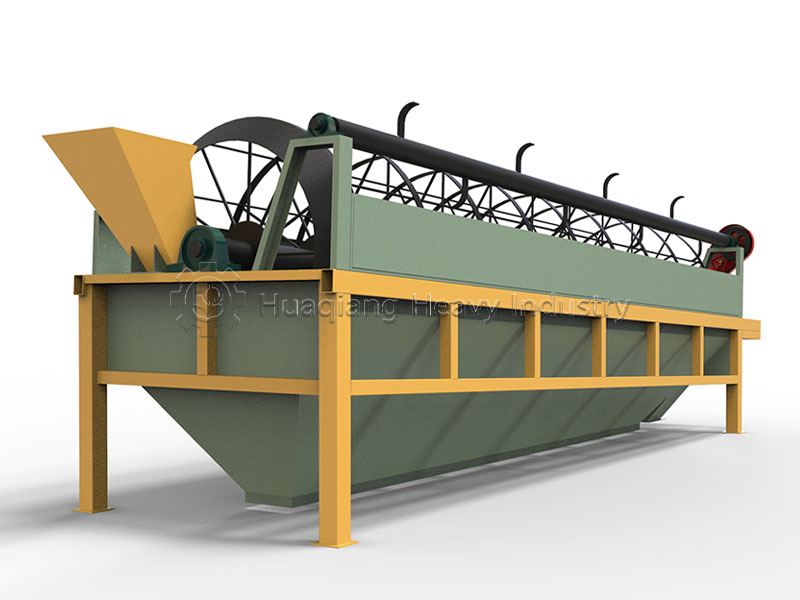
Material enters the inclined, rotating screen drum from the feed end. A motor drives the drum to rotate at a constant speed, lifting the material to a certain height before it tumbles down, creating a continuous rolling and moving action. During this process, fine particles smaller than the screen aperture diameter pass through the mesh into the collection hopper below, becoming the undersized product; meanwhile, larger particles and unscreened material gradually move along the drum’s incline toward the discharge end, where they are expelled. The screen drum can be configured with single or multiple layers to enable simultaneous classification into various size specifications. By adjusting the drum’s rotational speed and inclination angle, the material’s residence time within the drum and the screening efficiency can be controlled.
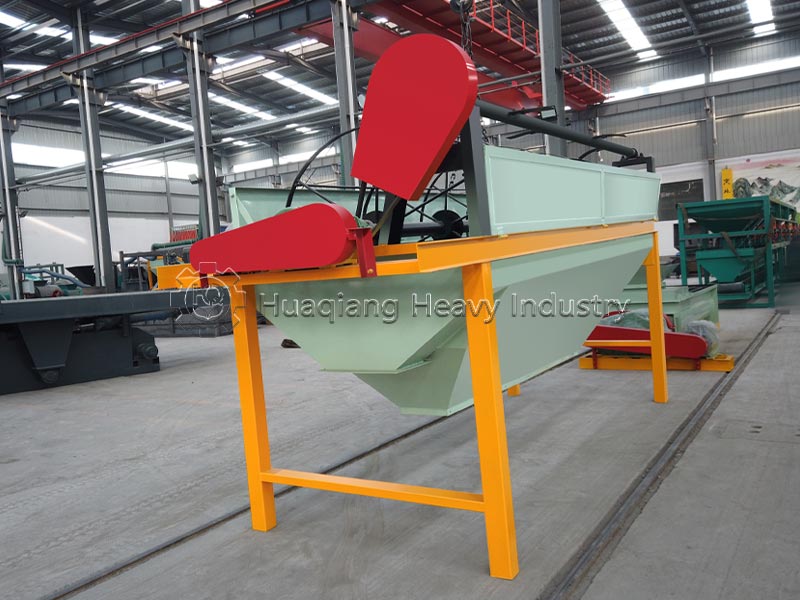
Screen Drum: A cylindrical screening surface formed by perforated steel plate or woven wire mesh; aperture sizes are selected based on screening requirements, and the screen can be replaced as a single unit or in sections.
Frame: An inclined base welded from structural steel that supports the screen drum and drive system; the inclination angle is adjustable.
Drive System: A motor drives the drum rotation via a gearbox; options include friction, chain, or gear drive mechanisms.
Feeding Device: A feed hopper located at the high end of the drum ensures material is evenly introduced into the cylinder.
Discharge Outlets: Oversized particles (overs) exit from the end of the drum, while undersized particles (unders) are collected in a bottom hopper; both streams are directed to separate conveying systems.
Cleaning Device: Brushes or knocking mechanisms are installed on the drum’s exterior to prevent screen apertures from clogging.
Protective Cover: A dust cover encloses the drum to minimize dust emissions.
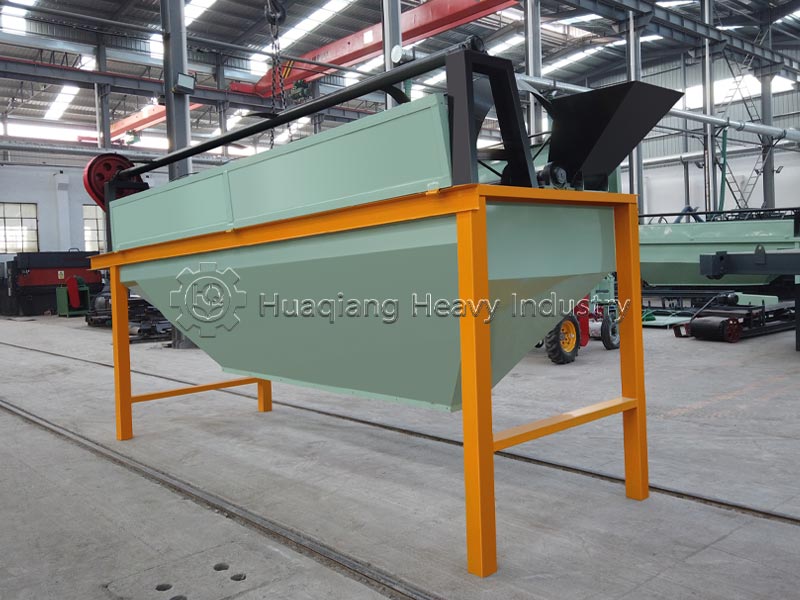
High Classification Precision: Materials tumble thoroughly within the drum, giving small particles ample opportunity to contact the screen surface, resulting in high screening efficiency.
High Processing Capacity: Drum diameter and length can be customized based on production requirements, making it suitable for continuous operation in high-output production lines.
Resistant to Clogging: Continuous tumbling and movement of material prevent apertures from becoming jammed, ensuring smooth screening.
