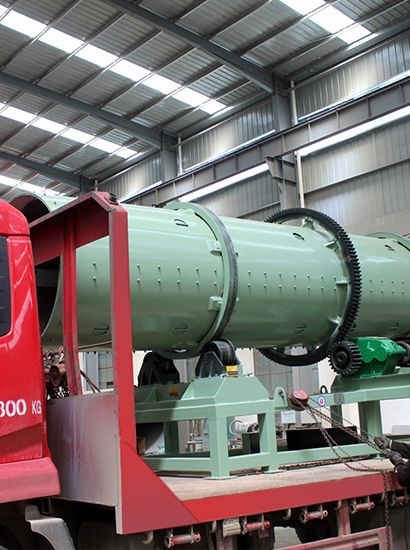
Fertilizer granulators are the core equipment in granular fertilizer production, essential for both organic and compound fertilizer processing. To use a granulator efficiently, it’s crucial to master its core features and understand its working principle. This allows for better adaptation to production needs, avoidance of malfunctions, and maximizing the equipment’s value.
There are three essential core features:
1.Adaptability: Select the appropriate model based on the characteristics of the raw materials (dry/wet, sticky) to avoid low granulation rates due to incompatibility.
2.Parameter Control: Precise adjustment of parameters such as rotation speed, tilt angle, and feed rate directly affects particle size and strength.
3.Routine Maintenance: Regularly cleaning the equipment’s internal walls and inspecting vulnerable parts extends its lifespan and reduces downtime losses.
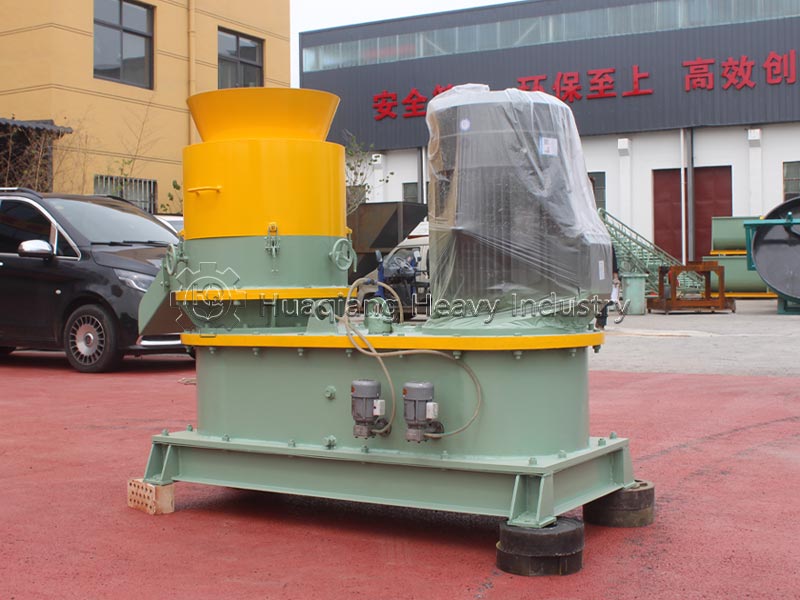
The core working principle can be summarized in four steps: “pretreatment → molding → screening → remelting,” a simple and efficient process. First, the fertilizer raw materials are crushed, mixed evenly, and adjusted to a suitable moisture content to prepare for granulation. Then, the raw materials enter the fertilizer granulation machine, where they are bound or pressed into shape through tumbling, extrusion, and other methods. After forming, the granules are screened to separate qualified particles, while unqualified particles are crushed and returned to the furnace for regranulation. Finally, the qualified particles enter the subsequent drying and packaging stages.
In short, the core function of a fertilizer granulator is to change the form of raw materials through physical action. The key lies in raw material compatibility and parameter control. Mastering these key points and understanding its working logic can improve production efficiency and ensure granule quality.