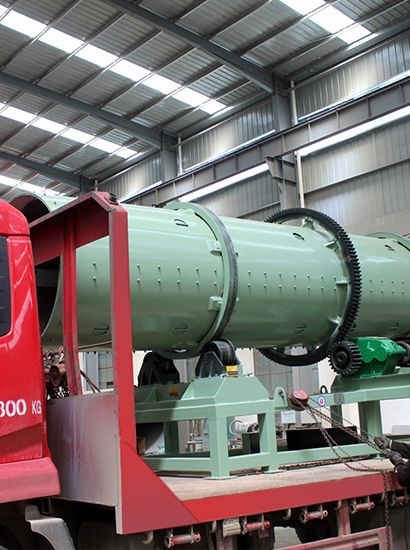
Organic waste treatment, from front-end aerobic fermentation to back-end high-value conversion, requires multiple pieces of equipment working in tandem. A self-propelled compost making machine provides oxygen for primary fermentation, a double axis paddle mixer ensures uniform mixing of the decomposed material, and a vermicompost production machine enhances product value through bioconversion.
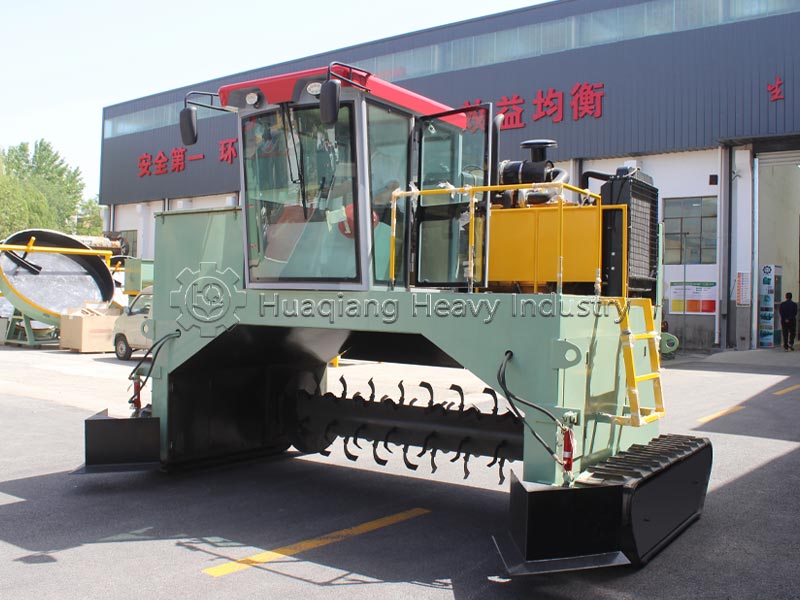
The self-propelled compost making machine is the mainstay of aerobic fermentation. It eliminates the need for fixed fermentation tanks, operating directly on the windrows. Operated by a single person, it rotates the blade shaft to turn and move the material, injecting air into the pile while releasing waste gas and water vapor. After 15-25 days of regular turning, the organic matter is largely decomposed, and pathogens are killed by the high temperature.
The decomposed material then enters the mixing stage. The double axis paddle mixer uses two counter-rotating mixing shafts. The paddles throw the material into a weightless state, achieving rapid and uniform mixing in the overlapping areas, requiring only 30-120 seconds per batch. For producing bio-organic fertilizer, this step is also where functional microbial agents are added.
For the high-end market, a vermicompost production machine can be introduced. This system utilizes the vermicompost caste excreted by earthworms after they have consumed decomposed material, forming super organic fertilizer rich in humic acid. Its price is typically 3-5 times that of ordinary compost, but this requires the material to undergo sufficient aerobic fermentation—this is precisely where the compost turner’s value lies.
When selecting equipment, the specifications and capacity of the three types should be rationally configured based on the processing volume, site conditions, and product positioning to ensure smooth integration of upstream and downstream processes.