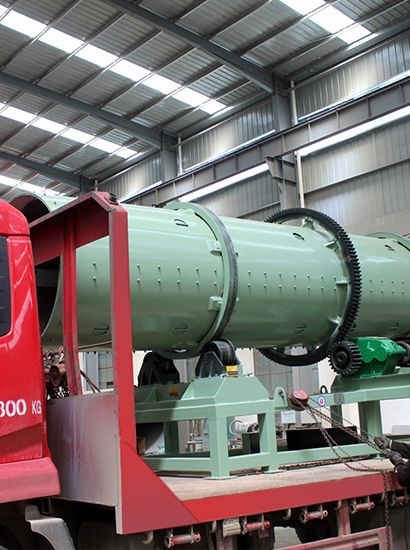
The fermentation efficiency of a complete agricultural waste composting plant depends on the selection and configuration of its turning equipment. Self-propelled compost making machines and double screws compost production machines are two mainstream turning solutions, catering to different fermentation modes and site conditions.
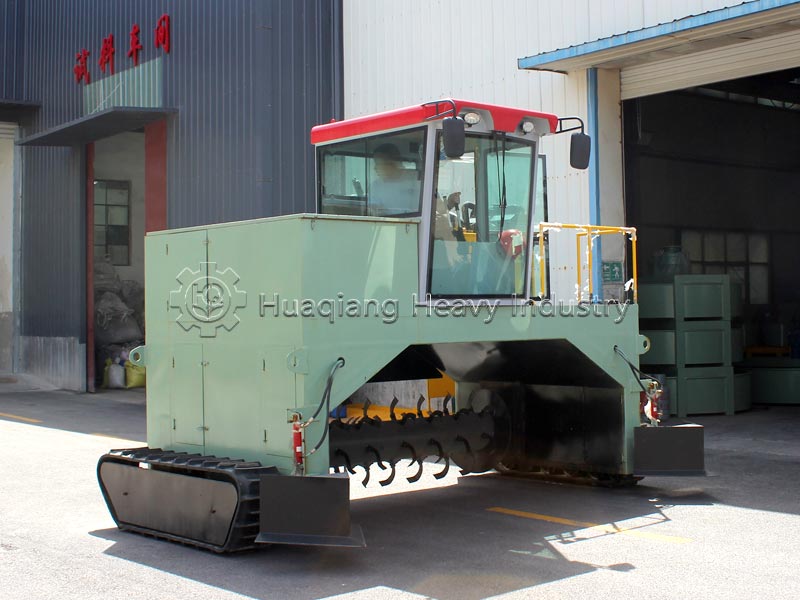
Self-propelled compost making machines are the mainstay of windrow composting. They employ wheeled or tracked designs, eliminating the need for fixed fermentation tanks and allowing them to operate directly on the windrows. Rotating cutter shafts mix, loosen, and move the material, creating new windrow stacks after each pass. A single self-propelled compost making machine can be operated by one person, moving forward, backward, and turning with ease, reducing the traditional fermentation cycle from 45 days to 7-10 days. For projects with unpaved sites, limited budgets, or fluctuating processing volumes, self-propelled compost making machines offer a highly cost-effective option due to their elimination of civil engineering investment and flexible relocation capabilities.
The double screws compost production machine is a specialized solution for trough fermentation scenarios. Unlike the flexible and mobile self-propelled type, it travels back and forth along a fixed track in the fermentation trough. Two interlocking, counter-rotating helical shafts forcibly lift the material at the bottom of the trough to the top and disperse it, achieving a three-in-one process of turning, stirring, and aeration. The effective turning depth can reach over 1.6 meters, and it is particularly effective for treating viscous and dense wastes such as livestock and poultry manure, sludge, and sugar factory filter mud. The double screws compost production machine provides uniform turning and low energy consumption, making it suitable for large composting plants with fixed sites and high requirements for fermentation control.
From the perspective of the overall composting plant layout, self-propelled and double screws types are not substitutes, but rather serve different fermentation scenarios. They complement each other, forming the foundation for the transformation of agricultural waste from “waste” to “fertilizer.”