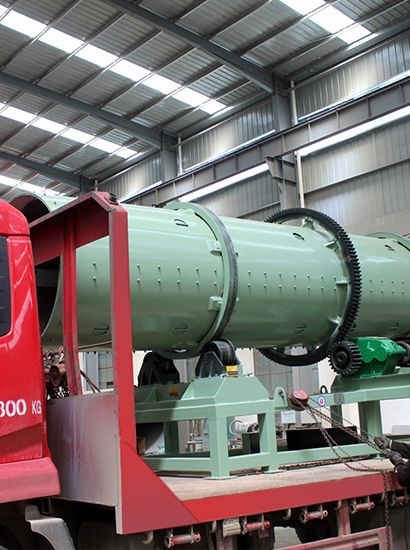
In recent years, the fertilizer industry has faced mounting pressure regarding environmental regulations and costs. Since granulation is one of the most energy-intensive stages of production, the choice of production line directly impacts long-term operating costs. Among the options, the roller press granulator production line—a representative energy-efficient process—is attracting increasing attention for small and medium-sized projects.
Roller press granulation lines utilize a room-temperature physical extrusion process, eliminating the need for separate drying or cooling stages. The entire line features a compact structure and low investment costs, while reducing energy consumption by over 40% compared to traditional granulation lines. Compatible with a wide range of raw materials—including NPK, secondary and trace elements, and organic-inorganic blends—these lines produce high-strength granules that resist crumbling. Requiring no added binders, the process meets green manufacturing standards and is ideal for projects targeting moderate production capacities and high cost-effectiveness.
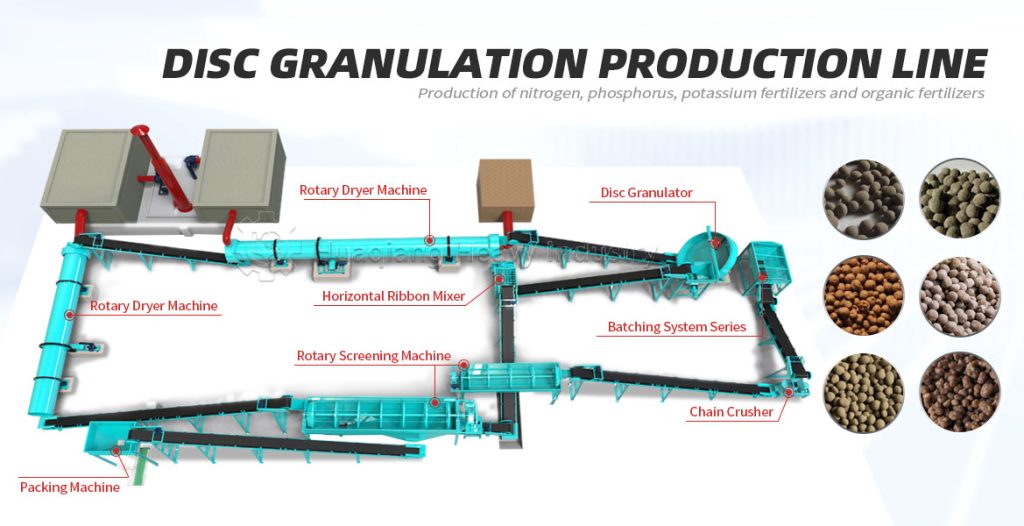
Of course, traditional rotary drum granulation production lines and disc granulation production lines offer their own unique advantages. Both processes are mature and support higher maximum capacities per line: rotary drum lines enable large-scale, continuous production and accommodate complex raw material formulations, while disc granulation lines offer simple operation, flexible formulation adjustments, and high granule uniformity—making them better suited for large-scale projects with diverse product portfolios.
Ultimately, there is no absolute “best” among these three types of granulation lines. Success depends on aligning the choice with the project’s capacity planning, budget, and environmental requirements; selecting the process that best fits specific needs is the key to achieving stable, long-term returns.