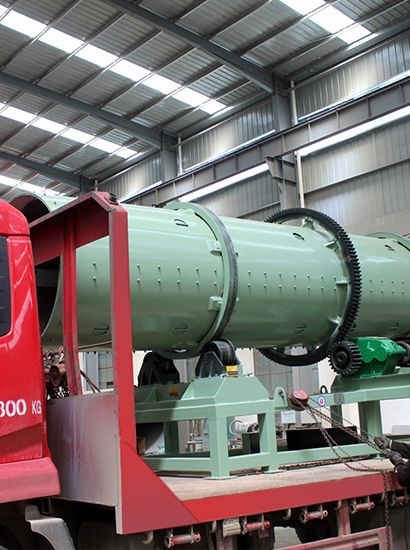
Double axis paddle mixers are widely used in fertilizer and environmental protection fields due to their advantages of uniform mixing, high efficiency, and no dead zones. However, due to their inherent structure and working principle, they have several limitations in practical operation. Understanding these limitations is crucial for rational equipment selection and risk mitigation.
The primary limitation is the limited range of materials they can handle. While capable of processing high-moisture, viscous materials, they are weak in handling coarse, hard, lumpy materials, easily causing material jamming and paddle wear, requiring pre-crushing. When processing ultrafine powders, they easily generate dust, necessitating additional dust collection equipment.
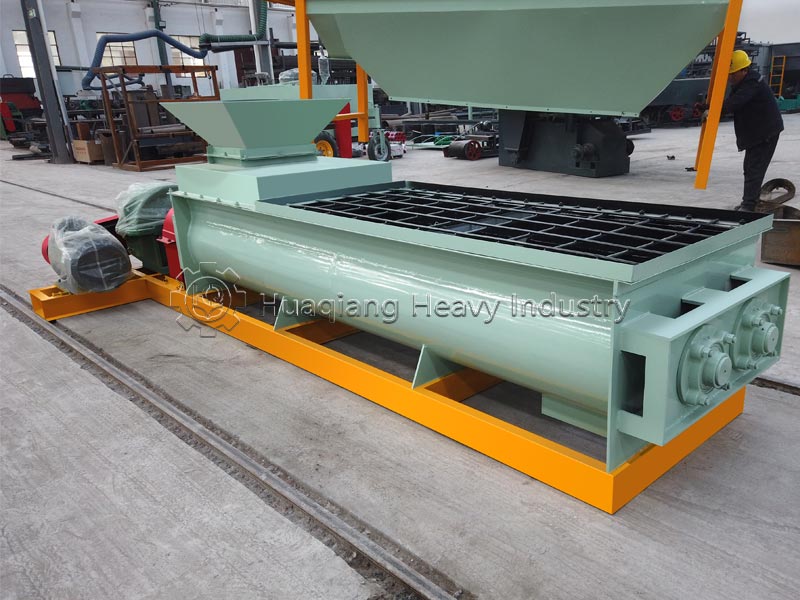
Secondly, energy consumption and maintenance costs are relatively high. Their energy consumption is significantly higher than that of ordinary fertilizer mixer machines, increasing expenses with long-term, large-scale use. Wear parts such as paddles and liners wear out quickly, especially when processing materials containing impurities, requiring regular replacement, resulting in high subsequent maintenance frequency and costs.
Furthermore, there is an upper limit to mixing precision. For multi-component materials requiring extremely high mixing precision, achieving the required uniformity of mixing is difficult, easily leading to uneven component distribution. Furthermore, the equipment is relatively large and occupies a significant area, making it unsuitable for small workshops or spaces with limited space.
In summary, the limitations of double shaft paddle mixers can be mitigated in practice through material pretreatment and regular maintenance. Selecting the right mixer based on specific needs is crucial to maximizing its effectiveness.