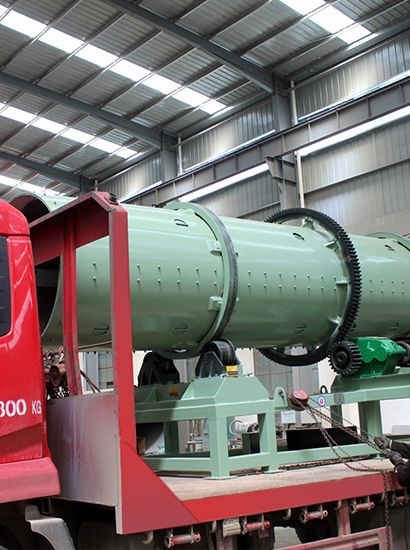
In fertilizer processing, production line cost is the core factor in selection. The cost differences between rotary drum and disc granulation production lines extend to initial investment, operation and maintenance, and hidden costs, with each suited to different scales.
The most significant difference lies in initial investment. Disc granulation production lines have a simple structure, small size, and easy-to-use components, requiring no complex foundation work, resulting in low initial investment and suitability for small to medium-sized operations and budget-constrained scenarios. Rotary drum granulation production lines have a complex structure, large size, and require various supporting equipment, leading to higher initial purchase and commissioning costs, making them suitable for large-scale production.
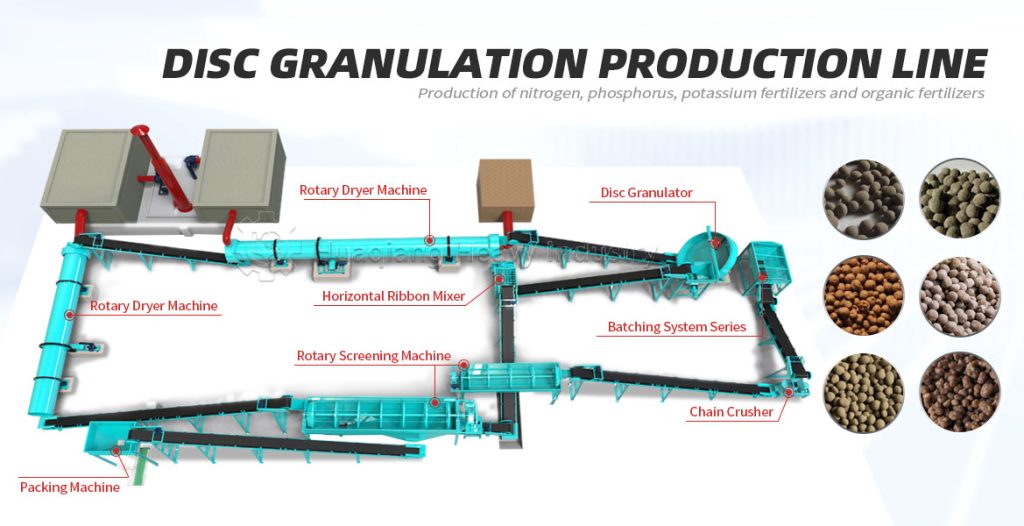
Operation and maintenance costs differ. Disc production lines have low energy consumption, low replacement costs for wear parts, and simple maintenance, but require frequent cleaning, resulting in slightly higher labor costs. Rotary drum production lines have slightly higher energy consumption, but costs can be amortized through economies of scale, lower frequency of wear part replacement, more balanced long-term maintenance costs, and a high degree of automation.
Hidden costs also require attention. Disc-type production lines offer high pelletizing rates and low raw material loss, but insufficient pellet strength may increase drying costs. Drum-type production lines, while having slightly higher raw material loss, reduce finished product breakage rates and minimize rework costs.
In summary, disc granulation production lines are more cost-effective for small and medium-sized operations in the initial stages, while rotary drum granulation production lines offer greater long-term cost advantages for large-scale operations. The choice should be based on capacity budget.