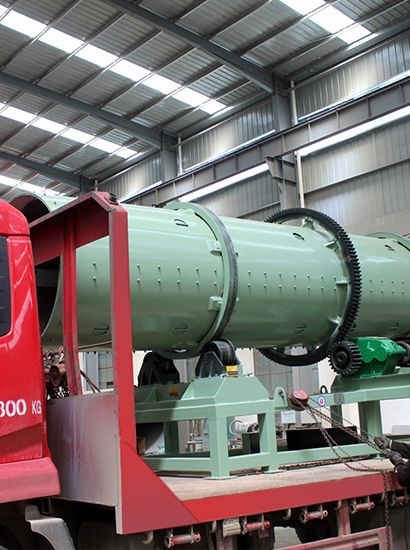
Many industry practitioners believe that disc granulation production lines can only produce ordinary manure organic fertilizers, but in fact, their adaptability is very flexible. By simply adjusting the raw material ratio, material moisture content, and equipment operating parameters, various types of fertilizers can be produced, covering basic organic fertilizers, compound fertilizers, and functional fertilizers.
The most basic processing method is the production of pure decomposed organic fertilizer. Using decomposed livestock and poultry manure such as chicken manure, cow manure, and sheep manure as raw materials, the manure is directly granulated after crushing, impurity removal, and moisture adjustment. This process is simple to operate, has low production costs, and produces a mild fertilizer effect.
Secondly, there is the processing of mixed organic fertilizers from agricultural and forestry waste. Decomposed straw, sawdust, mushroom residue, and other waste materials are scientifically mixed with livestock and poultry manure in a specific ratio and then granulated. This effectively increases the organic matter content of the fertilizer, compensates for the shortcomings of single-nutrient manure fertilizers, and simultaneously realizes the resource utilization of agricultural waste, often used for soil improvement and remediation.
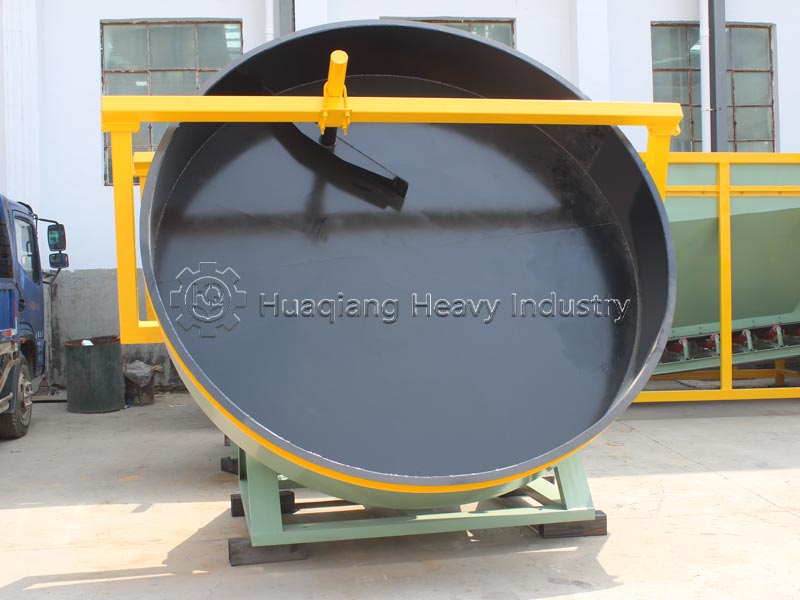
It can also produce organic-inorganic compound fertilizers, by adding nitrogen, phosphorus, and potassium inorganic ingredients to organic fertilizer raw materials and then granulating the mixture. This combines the soil-improving advantages of organic fertilizers with the rapid-acting characteristics of inorganic fertilizers, resulting in fast and long-lasting fertilizer effects.
Furthermore, it can produce functional organic fertilizers, with the addition of beneficial bacteria and trace elements as needed. The disc granulation technology operates gently, without damaging the activity of microbial communities, and can produce specialized fertilizers for resisting continuous cropping and promoting root growth.
The diverse processing modes significantly enhance the practicality and utilization rate of the disc granulation production line. Its multi-product capability and flexible adaptability perfectly meet the diversified and low-cost production needs of small and medium-sized fertilizer processing plants.