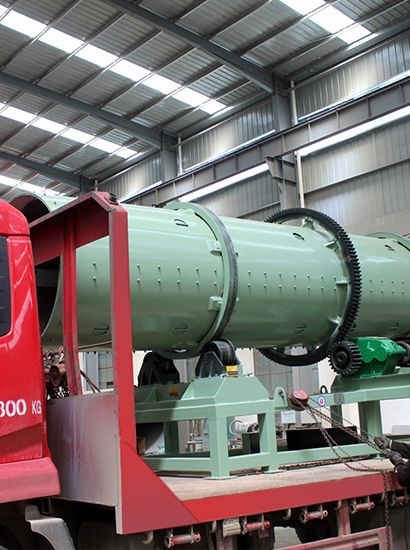
Crawler-type compost turners are versatile, terrain-adaptable machines that serve as the primary equipment for the organic fertilizer fermentation stage, widely used in processing livestock manure and agricultural waste. However, in practical production, high-moisture, clumped organic raw materials often lead to issues such as incomplete turning and uneven fermentation; relying solely on the turner makes achieving high-quality decomposition difficult. As a crucial pre-processing auxiliary, the half-wet material crusher effectively addresses the operational limitations of crawler-type compost turners, establishing a comprehensive composting system that integrates pre-treatment with turning and fermentation.
Organic materials tend to compact and harden after piling; crawler-type compost turners struggle to fully break up high-moisture, clumped materials, often resulting in poor internal aeration, localized anaerobic odor, and inconsistent decomposition rates. Designed specifically for materials with high moisture content, the half-wet material crusher effectively breaks down stubborn clumps, reduces particle size, and loosens sticky, agglomerated raw materials. This creates a uniform, loose texture throughout the material, establishing an ideal foundation for subsequent turning and fermentation.
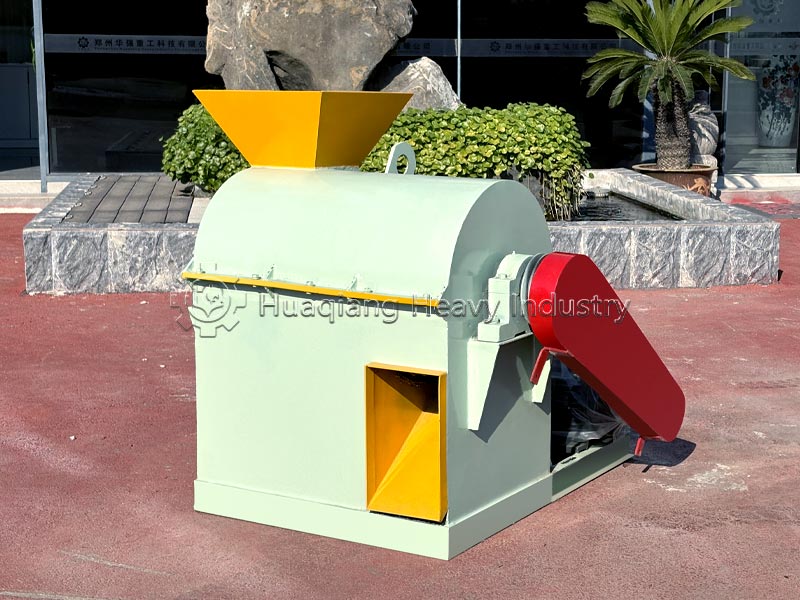
Pre-treatment with the crusher significantly improves material aeration, allowing the crawler-type compost turning machine to maximize its capabilities in turning, oxygen supply, and heat dissipation. This eliminates “dead zones” in the fermentation process, drastically accelerates decomposition, and shortens production cycles. Furthermore, the uniform, loose material reduces the operational load on the turner, minimizing equipment wear and frequent breakdowns; this effectively lowers long-term maintenance costs and enhances the operational stability of the entire system.
Combining these two types of equipment effectively resolves common composting issues—such as severe clumping, uneven fermentation, and poor product quality—resulting in more thorough decomposition and a finer, more consistent finished product. This simple yet efficient equipment combination is suitable for the resource recovery of various organic solid wastes and serves as a vital solution for achieving standardized, stable organic fertilizer production.