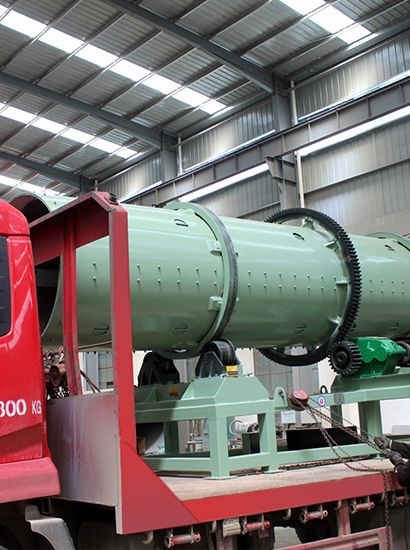
Modern farms often produce mixed types of organic waste, covering agricultural plant residues and livestock breeding wastes. Single compost equipment can hardly adapt to different material characteristics, resulting in low waste utilization efficiency. Matching universal mainstream equipment with targeted specialized machines has become the optimal solution for comprehensive farm waste recycling. The agriculture compost making machine serves as the universal core equipment for daily compost production, while the palm tree waste compost production machine and chicken manure compost turning machine act as professional auxiliary devices for specific waste types, forming a comprehensive composting system for diverse farm materials.
The agriculture compost making machine is designed for universal agricultural waste treatment, suitable for most conventional crop residues such as rice straw, wheat stalks and vegetable wastes. It integrates basic fermentation and turning functions, meeting the daily composting needs of ordinary farms. With stable operation and simple maintenance, it can complete whole-process aerobic fermentation and material maturation for common low-viscosity, medium-fiber agricultural wastes. It acts as the fundamental equipment to maintain regular and continuous compost production on most farms.
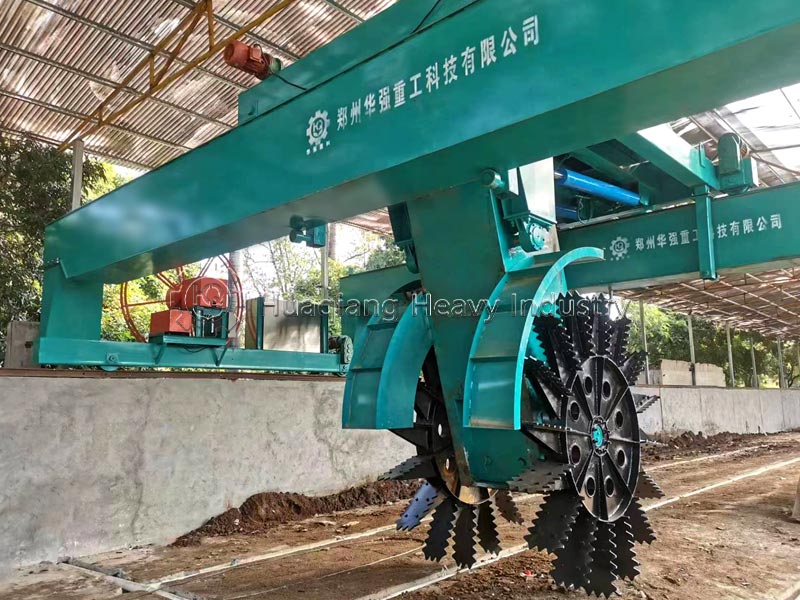
For livestock breeding waste disposal, the chicken manure compost turning machine supports targeted turning and oxygenation work. Chicken manure has high moisture and strong viscosity, which is prone to caking and anaerobic corruption. This dedicated turning machine effectively breaks up condensed manure piles, evenly distributes oxygen and heat, and avoids odor accumulation and incomplete maturation. It perfectly solves the composting difficulties of poultry manure that universal equipment cannot handle well.
The combination of universal and specialized compost equipment enables farms to process both conventional crop wastes and special palm and poultry wastes. This flexible equipment collocation greatly improves the comprehensive utilization rate of farm organic wastes, realizes standardized and efficient compost production, and promotes the sustainable development of circular agriculture.