The primary objective of the coating process within an organic fertilizer production line is to lock in nutrient efficacy, prevent caking, and enhance ease of handling; however, the ultimate success of the coating hinges upon the preliminary pretreatment phase. Only through meticulous preparation can one ensure that the coating agent adheres uniformly and resists detachment.
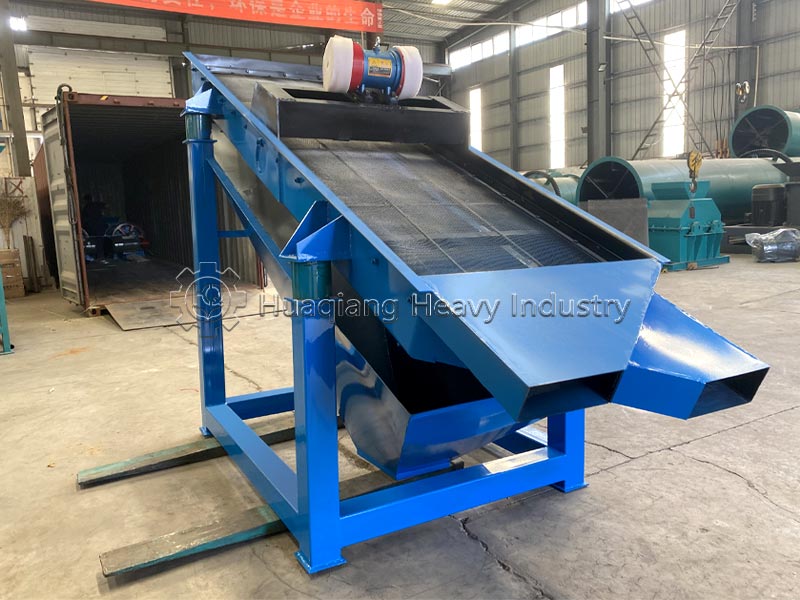
First is the screening and conditioning of granules. Following granulation, the organic fertilizer particles must be passed through a fertilizer screener machine to remove fine powders, caked lumps, and impurities. This ensures uniform particle size and smooth surfaces; furthermore, any substandard particles undergo secondary processing to lay a solid foundation for the subsequent coating application.
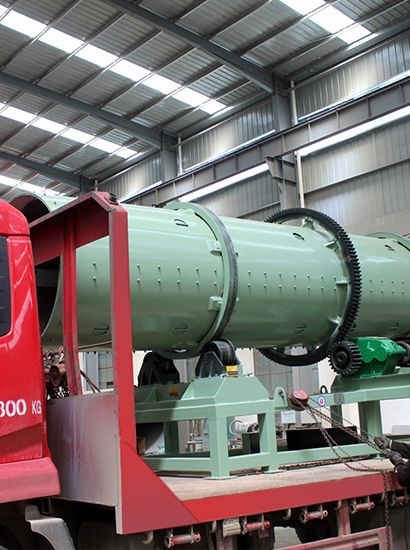
Second—and most critically—is the strict control of moisture content. The moisture level of the granules must be maintained within a range of 8% to 12%. Excessively high moisture levels can dilute the coating agent and lead to particle caking, whereas excessively low levels prevent the coating agent from adhering fully. Therefore, precise moisture regulation must be achieved through the use of drum fertilizer dryers and coolers.
Additionally, close attention must be paid to particle temperature and cleanliness. Prior to coating, the granules must be cooled to ambient temperature, as high temperatures can accelerate the degradation and detachment of the coating agent. Simultaneously, dust and fine particles must be removed from the granule surfaces to prevent impurities from compromising adhesion strength; furthermore, the concentration of the coating agent should be adjusted and calibrated according to the specific characteristics of the granules.
In summary, prior to coating organic fertilizers, it is imperative to prioritize and rigorously manage these critical stages to guarantee the quality of the coating—thereby safeguarding both the nutrient efficacy and the storage stability of the organic fertilizer product.