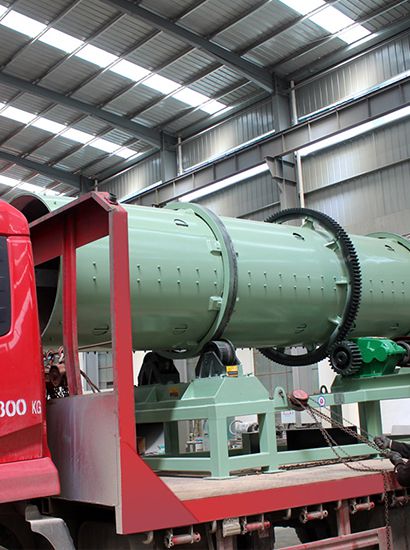
The answer is yes. NPK blending fertilizer production lines are generally divided into three levels—small, medium, and large—based on hourly capacity, with significant differences in equipment configuration, site requirements, and investment logic.
Small lines have an hourly output of 1-3 tons and are mainly intermittent. The core component is a horizontal ribbon or small drum mixer, equipped with manual feeding or simple metering, and packaging is mostly automated. They have low investment, small footprint, and flexible formula switching, making them suitable for family farms, township fertilizer stations, or start-up projects, but they rely heavily on manual labor and have limited capacity.
Medium lines have an hourly output of 5-15 tons and are semi-continuous, making them the mainstay for most commercial blended fertilizer plants. They feature multi-compartment batching scales and elevators at the front, dual-shaft paddle or large drum mixing in the middle, and automatic packaging and palletizing at the rear. Material feeding and packaging are relatively continuous, with manual inspection and formula changes being the main tasks. They have site requirements, needing hardened ground and a reasonable height difference, and the investment payback period is typically two to three years.
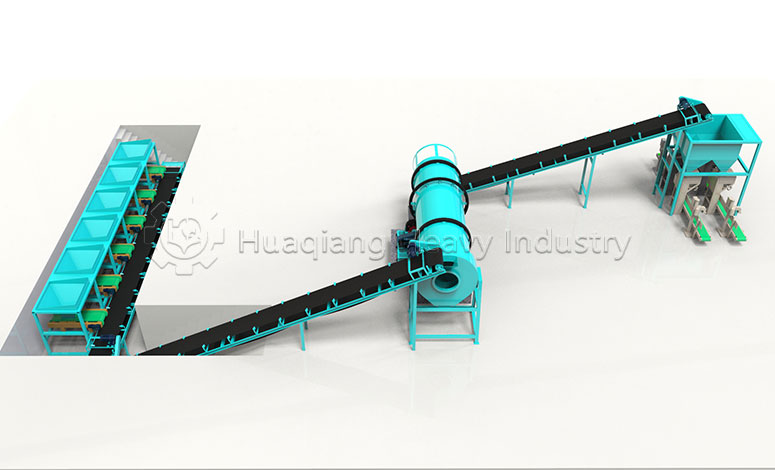
Large-scale production lines with an hourly output of over 20 tons are fully automated and continuous, catering to large agricultural input enterprises or regional fertilizer blending centers. Ingredient mixing, blending, packaging, and palletizing are centrally controlled, with multiple batching silos operating in parallel, capable of supplying multiple packaging lines simultaneously. The core focus is not on the size of individual machines, but on system coordination and metering accuracy; it involves significant investment and demands high levels of raw material stability and management expertise.
The classification is not absolute; the key lies in one’s own processing capacity and order structure. A rational choice is to first calculate the average daily output and then work backward to determine the appropriate production line level.