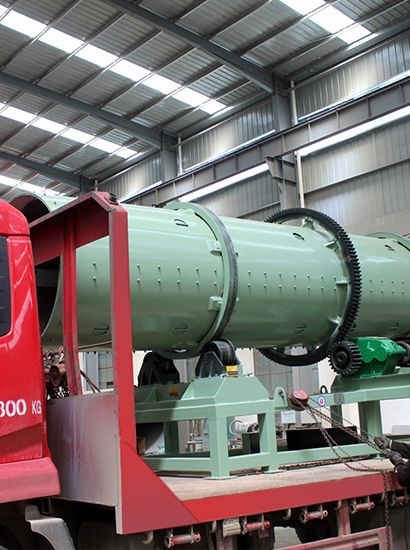
Turning organic waste into high-quality fertilizer requires turning and further processing. Currently, large wheel compost turning machines and crawler compost turning machines are the mainstays of aerobic fermentation, while the higher value-added vermicompost production machine represents the direction of refined processing.
Large wheel compost turning machines have a simple structure and low fuel consumption, making them suitable for large compost yards with hardened ground and continuous windrows. They can turn over more than 400 cubic meters per day, allowing the material to initially decompose in about 20 days. Crawler compost turning machines are designed for complex environments; their rubber tracks prevent slipping and sinking on muddy or soft ground, and they can handle windrows over 2 meters high. For open-air compost yards with frequent rain or unhardened ground, crawler machines are more reliable.
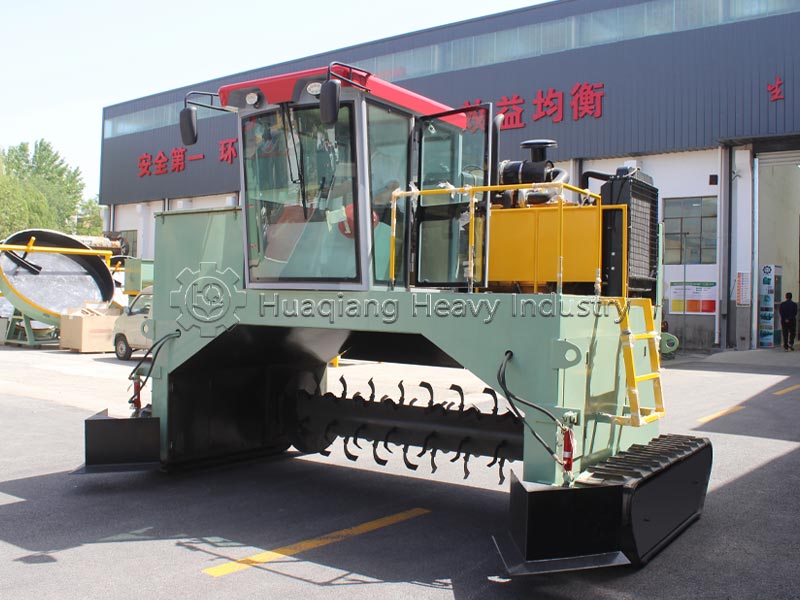
However, both wheeled and crawler machines only perform “coarse turning”—fermenting organic matter into mature compost. To create high-end products, vermicompost production machines need to be introduced. This equipment system includes breeding beds, an automatic feeder, temperature and humidity control, and an earthworm separation screen. It utilizes the vermicompost (excrement) produced by earthworms after they consume the decomposed material, forming super organic fertilizer rich in humic acid. Earthworm castings sell for 3 to 5 times more than ordinary compost, but this requires the feed to the earthworms to undergo sufficient aerobic fermentation; this is precisely where the compost turner’s value lies.
In terms of selection, the three types of equipment work in a relay fashion: the compost turner handles primary decomposition, while the vermicompost equipment handles deeper conversion. For hardened ground and dry climates, wheeled machines are preferred to reduce investment; for muddy ground and rainy conditions, tracked machines are recommended. Once the compost turning solution is determined, matching it with an earthworm casting production line of appropriate specifications will elevate the resource utilization of waste to a higher level of value.