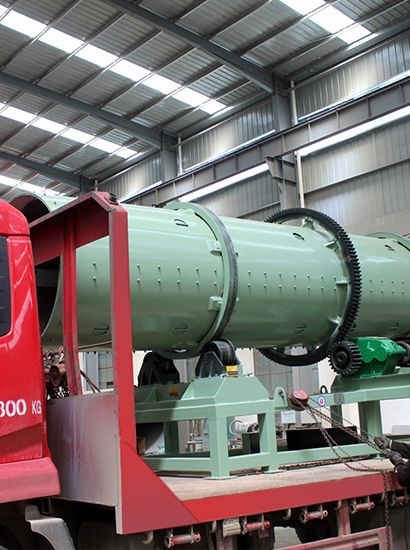
The packaging and storage of fertilizer granules directly affect their nutrient stability, granule integrity, and shelf life, and must be adapted to the characteristics of granules produced by equipment such as rotary drum granulators and double roller press granulators. The core principle is to isolate the granules from external influences, prevent chemical reactions, and ensure safe storage and transportation, requiring adherence to specific operating procedures.
Packaging focuses on “sealing, leak-proofing, and easy identification.” Granules produced by rotary drum granulators require emphasis on moisture protection, while granules from double roller press granulators require enhanced protection against crushing. The preferred packaging material is a laminated woven bag with a PE liner, sealed with heat sealing or double-stitched seams to prevent leakage. Common packaging sizes are 25kg and 50kg, with labels indicating nutrient content, shelf life, and storage precautions. For granules that are easily hygroscopic or volatile, desiccants or moisture-proof inner liners can be added for enhanced protection.
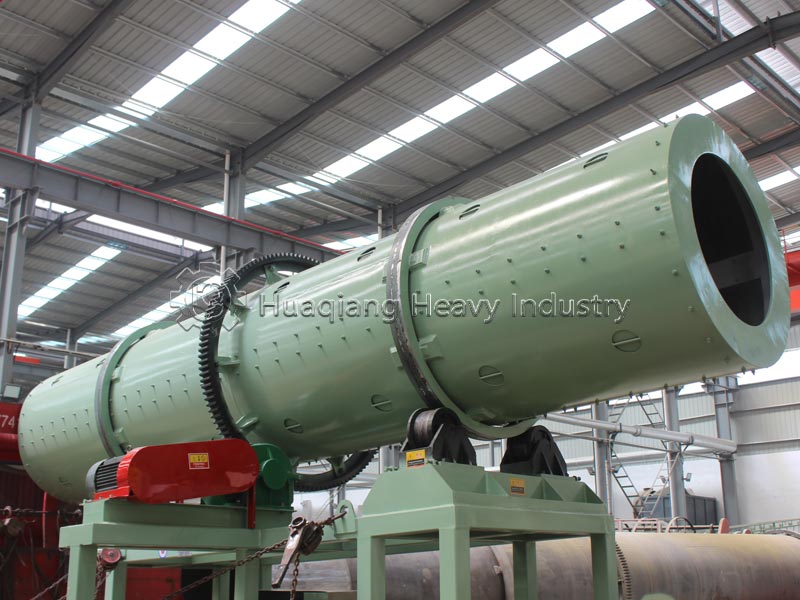
Storage requires strict control of the environment and stacking methods. Storage spaces must be dry, well-ventilated, cool, and protected from light, with a relative humidity of ≤60% and a temperature of 5-30℃, to prevent granule caking and nutrient decomposition. When stacking, use pallets to elevate the bags 10-15cm from the ground and walls, and maintain a moderate stacking height to prevent crushing of the bottom layer of granules.
Furthermore, fertilizer granules produced by different fertilizer granulator machines should be stored separately to avoid mixing and potential chemical reactions; measures should be taken to prevent rodents and insects, and to prevent contamination. Regular inspections of packaging and granule condition are necessary, and any damage or caking should be addressed promptly.