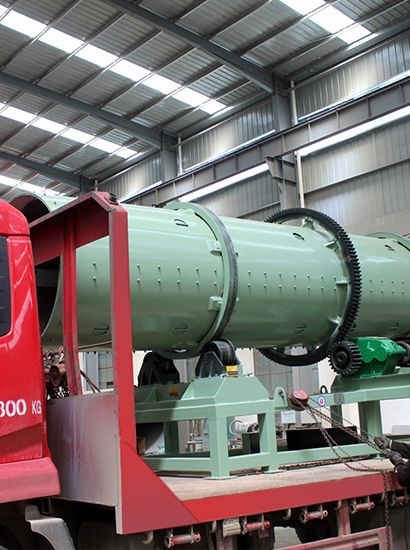
In the fertilizer production field, rotary drum granulation production lines are highly favored for their large processing capacity and wide process adaptability. What materials can this production line process? The key lies in matching the physical properties of the raw materials with the granulation logic.
1.Inclusivity of Diverse Raw Materials
The most significant feature of rotary drum granulation production lines is their “tolerance” for materials. Whether it’s organic materials like livestock and poultry manure, or inorganic raw materials like urea, ammonium phosphate, and potassium salts, they can all find a suitable granulation path in the drum. The front-end crushing and mixing processes can pre-treat raw materials of different particle sizes and moisture contents to a homogeneous state, creating conditions for granulation.
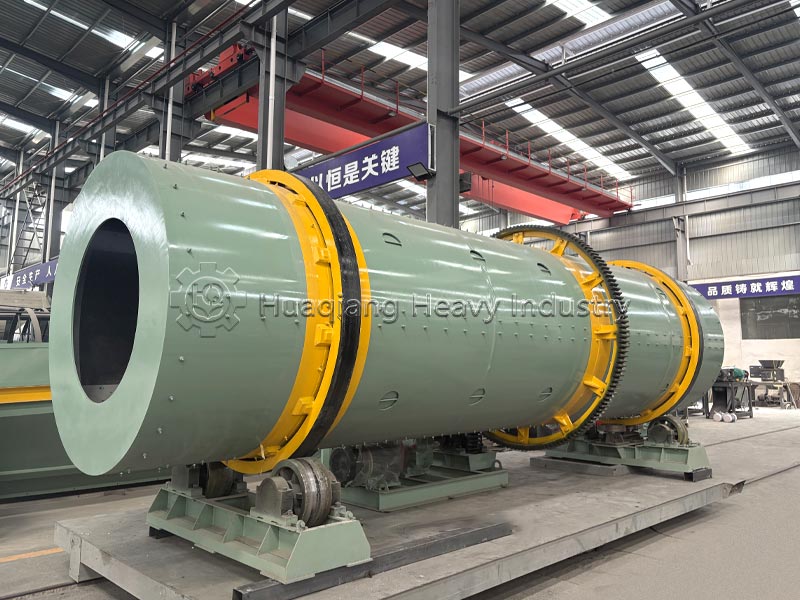
2.Processing Characteristics of Typical Materials
When processing high-nitrogen compound fertilizers, the materials are relatively viscous. The steam heating inside the drum effectively softens the particle surface, causing the fertilizer to be layered during rolling, forming firm and rounded granules. When processing organic-inorganic compound materials, due to the presence of fibrous organic matter, precise control of moisture and temperature is required. The tumbling action of the drum helps the organic matter and inorganic nutrients interlock, preventing the particles from becoming loose.
3.Technical Handling of Special Materials
For highly corrosive materials, such as industrial by-product salt-based fertilizers, corrosion-resistant linings can extend the life of the rotary drum granulator. For heat-sensitive materials, low-temperature granulation processes are used to prevent nutrient decomposition.
From ordinary compound fertilizers to functional fertilizers, from inorganic raw materials to organic waste, the drum granulation production line transforms diverse raw materials into uniform particles.