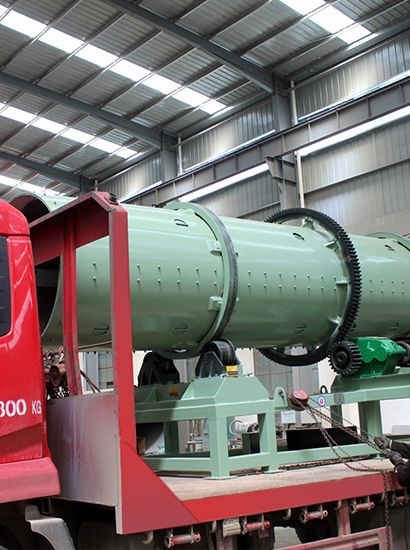
Vermicompost is hailed as the “king of organic fertilizers,” with its value rooted in its natural granular structure, rich beneficial microbial communities, and active enzymes. The key to processing lies in “preservation” rather than “transformation.”
Gentle Pre-treatment and Impurity Removal: When harvested from the beds, vermicompost contains cocoons, feed residues, and small stones. A rotary screener machine with 5–8 mm apertures is ideal; gentle rolling separates impurities without the violent vibration that could destroy the aggregates. Moisture content must be adjusted to 40–45%; excessive moisture causes clumping, while excessive dryness deactivates the microbial communities.
Gentle Post-maturation and Turning: Vermicompost is essentially already decomposed, so high-temperature secondary fermentation is unnecessary. It requires only 7–10 days of post-maturation to stabilize moisture content and microbial activity. A chain-plate compost turner machine should be used to move material over a large area at low speeds—pushing rather than cutting—and turning should occur every 2–3 days to gently exchange core and surface materials; high-shear drum turners with blades must be avoided.
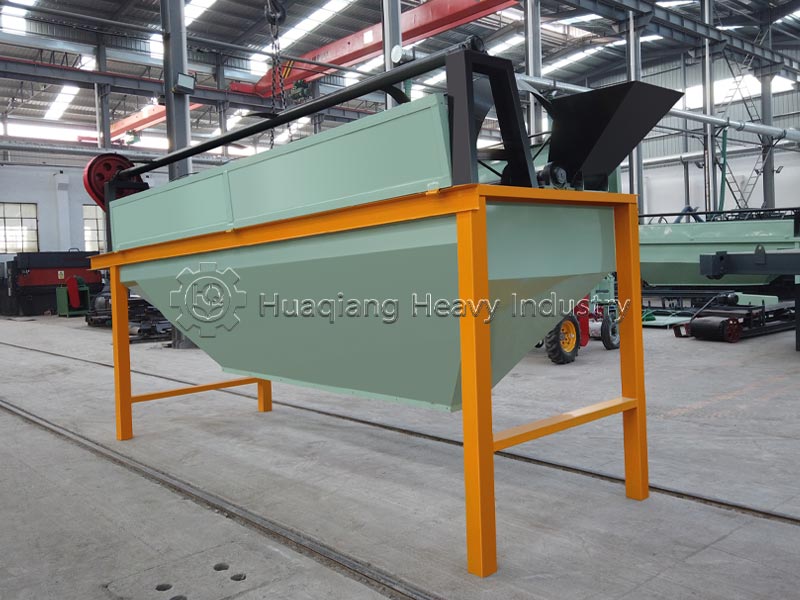
Drying and Pulverizing with Care: Active enzymes and beneficial bacteria are sensitive to high temperatures; drying temperatures must remain below 60°C. The safest methods involve low-temperature dehumidification or natural air-drying supplemented by forced airflow. For pulverization, a screenless, gentle fertilizer crusher is preferred; utilizing material-on-material impact rather than blade cutting maintains a granulation rate of over 85% and preserves the natural 0.5–3 mm granular form—a shape that directly determines the product’s market price.
Screening and Packaging to Preserve Activity: A two-stage grading screen is used to retain natural granules, and breathable woven bags are selected for packaging. This allows microorganisms to continue slow respiration, ensuring biological activity at the time of application.
In summary, the core of processing high-quality vermicompost is not “manufacturing” but “safeguarding”—preserving the natural quality bestowed by the earthworms is far more important than merely pursuing high output.