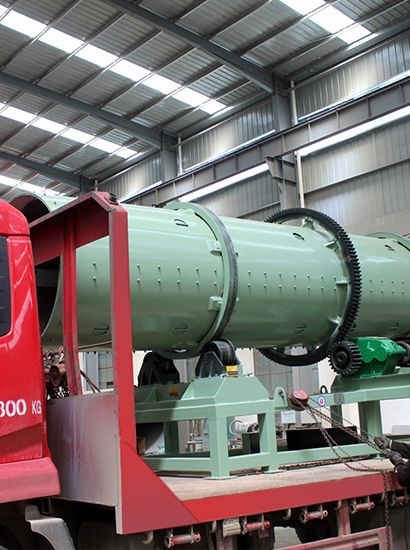
When selecting equipment for organic fertilizer projects, it is common practice to choose the granulator first and then match the compost turner to it. However, when dealing with new type organic fertilizer granulators, this sequence often leads to compatibility issues—or a “lack of fit”—within the production line.
New type granulators are highly sensitive to input material characteristics. Designed for low recycle rates and high pelletization efficiency, they operate within specific parameters regarding moisture content, fiber length, and material uniformity. Fluctuations in moisture content exceeding 5% can cause a significant drop in pelletization rates, while excessively long fibers tend to tangle around the die or the rim of the granulating pan. These material characteristics cannot be adjusted by the granulator itself; rather, they are largely determined during the fermentation and turning stage.
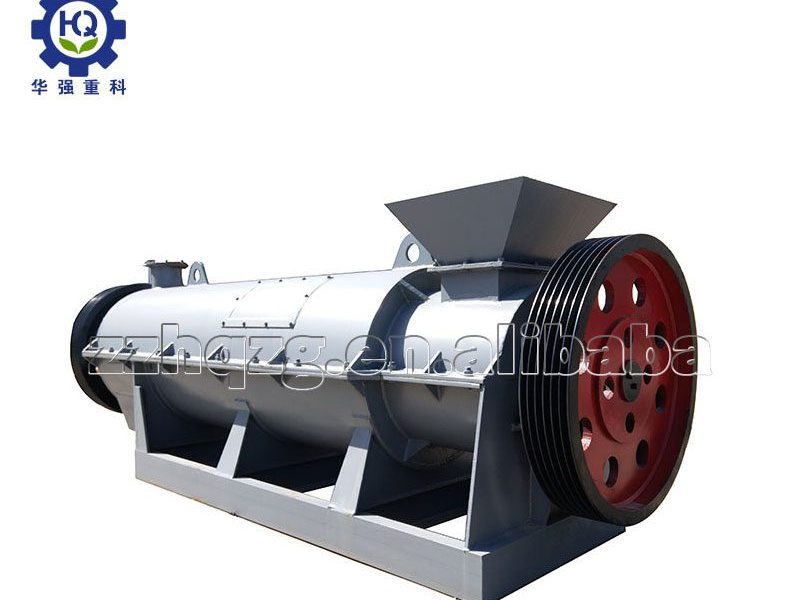
The chain-plate compost turning machine is uniquely capable of controlling these parameters. By moving material over a large area at low speeds, it avoids cutting fibers or over-pulverizing the material, resulting in uniform moisture content and intact fiber structures. Selecting the chain-plate compost turner first establishes a stable baseline for the input material; choosing the granulator subsequently based on these established parameters ensures a much higher degree of compatibility.
Therefore, the logical sequence is to select the compost turner first, followed by the granulator. The compost turner sets the “foundation” of the material, upon which the granulator performs its function. The chain-plate compost turner delivers stable, gently processed fermented material, allowing the new type granulator to maximize its pelletization efficiency. Their relationship is akin to setting the key signature before composing the melody.
Of course, if the material is extremely sticky or the formula is specialized, the granulator’s requirements may dictate the setup, necessitating adjustments to the compost turner’s operating depth and frequency. However, for the majority of projects, prioritizing the compost turner before the granulator tends to be both more cost-effective and less troublesome.