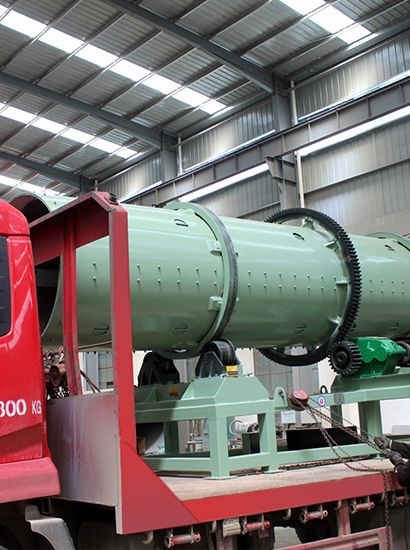
Livestock manure cannot be applied directly to the soil; composting is an essential step. Manure from chickens, pigs, cattle, sheep, and horses has distinct characteristics, but the key management points can be summarized in three actions: adjust, turn, and assess.
Adjust: Carbon-to-nitrogen (C/N) ratio, moisture content, and porosity—all are critical. Chicken manure is high in nitrogen and low in carbon; it requires high-carbon additives like straw or sawdust to prevent excessive ammonia volatilization. Cattle manure is high in both carbon and moisture; it needs dry materials or rice husks to improve aeration. Pig manure is fine-textured, sticky, and wet; piling it alone leads to anaerobic conditions and foul odors, so fibrous additives must be mixed in. Sheep manure is dry and fine; adding a little water suffices. Horse manure is fibrous and heats up quickly but loses moisture easily, requiring regular re-watering. Overall targets: a C/N ratio of 25–30:1 and moisture content of 55–65% (the material should form a clump when squeezed, with moisture visible between the fingers but not dripping).
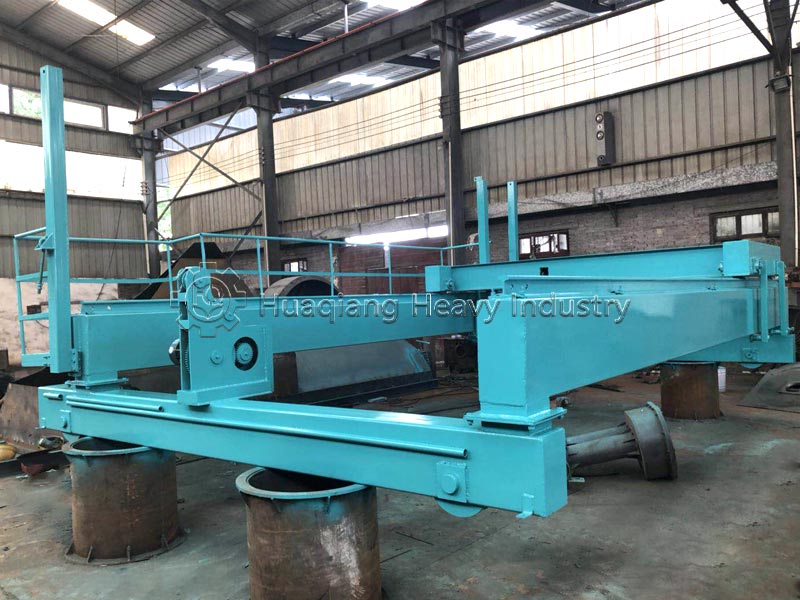
Turn: Determine frequency based on temperature; more frequent turning isn’t necessarily better. Use a compost turning machine to turn the pile once the temperature exceeds 55°C. Chicken manure heats up rapidly and emits strong ammonia odors; turning too often causes nitrogen loss, so once every 2–3 days is sufficient. Cattle manure heats up slowly and is fibrous; it needs daily turning to replenish oxygen. Pig manure is sticky and wet; turning should break up clumps to prevent localized anaerobic conditions. Sheep and horse manure can be turned every 1–2 days. Turning must penetrate the entire pile, moving material from the surface to the center.
Assess: Evaluate maturity based on four criteria. The temperature drops below 40°C and stabilizes; the color shifts to dark brown or blackish-brown; foul odors disappear, replaced by an earthy or fungal scent; a handful reveals white fungal mycelium; and seed germination rates meet standards. Only when these conditions are met is the compost truly mature.
Composting is not merely a matter of “piling it up and waiting”; it requires active management and adjustment based on the specific characteristics of the manure. Only by setting the right starting point, getting the rhythm of turning right, and accurately determining the endpoint can foul manure be transformed into high-quality fertilizer.