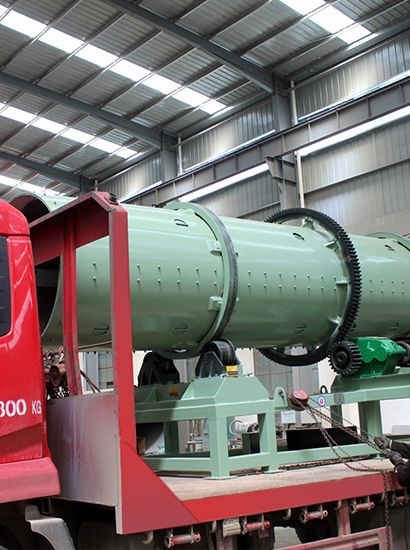
Modern agriculture produces large volumes of organic waste such as crop straw and vegetable residues annually. Improper disposal leads to environmental pollution and resource loss, making compost recycling a core model for circular ecological agriculture. The agriculture compost fermentation machine acts as the core waste treatment equipment, working with the large wheel compost turning machine and agriculture waste compost production machine to build a full mechanized recycling system for farmland and rural centralized waste treatment projects.
Tailored for high-fiber, low-moisture agricultural waste, the agriculture compost fermentation machine stabilizes aerobic fermentation through intelligent temperature and oxygen regulation. It effectively decomposes crude plant fibers, accelerates material maturation and eradicates harmful microorganisms. Its enclosed operation avoids secondary pollution, converting scattered agricultural residues into high-quality mature compost that meets standard agricultural planting requirements.
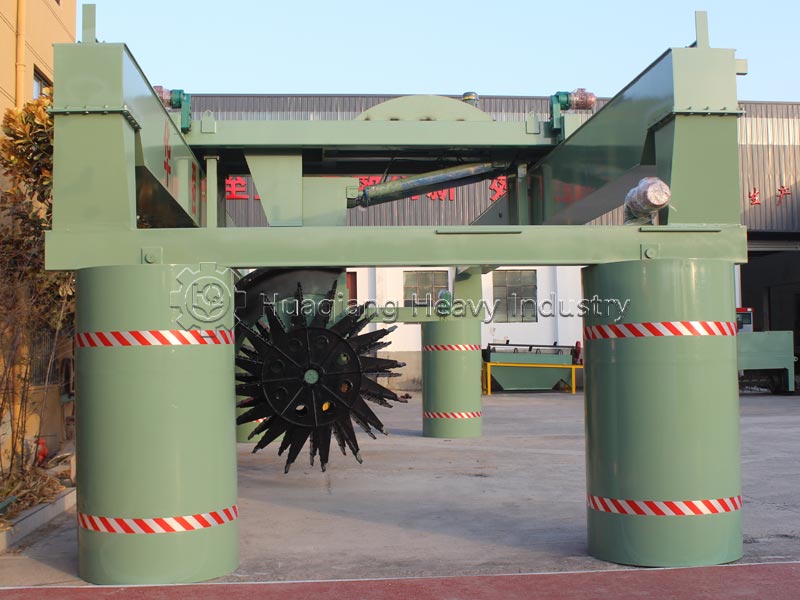
In the pre-fermentation stage, the large wheel compost turning machine provides reliable auxiliary processing. With wide working coverage and strong terrain adaptability, it fits large open-air farm stacking sites. Regular turning supplements oxygen, dissipates excess heat and prevents anaerobic decay, ensuring uniform raw material conditions. This standardized pre-treatment guarantees stable and efficient operation of the subsequent formal fermentation process.
After fermentation, the agriculture waste compost production machine completes standardized finishing processing. It integrates crushing, screening and shaping functions to turn loose mature compost into neat powdery or granular fertilizer. The finished products are convenient for storage, transportation and field application, effectively improving soil fertility and reducing reliance on chemical fertilizers to form a healthy agricultural planting cycle.
The coordinated operation of the three devices realizes full-process mechanization of agricultural waste recycling. It efficiently solves the dilemma of scattered farm waste disposal, improves the operational efficiency of circular agriculture, and delivers stable ecological and economic benefits for modern agricultural planting production.