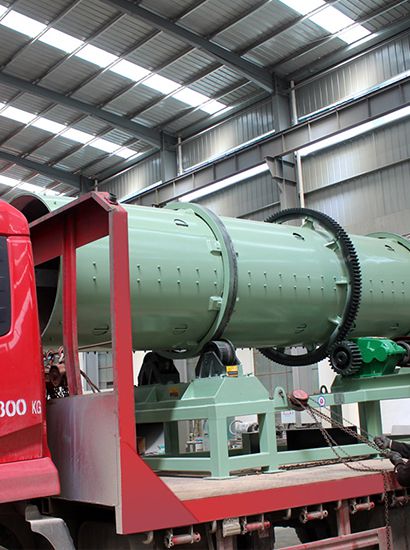
Although both are called “mixers,” they are designed for entirely different purposes. A BB fertilizer mixer is intended for granular blended fertilizers, prioritizing rapid mixing, minimal particle breakage, and the prevention of segregation (separation of ingredients). In contrast, a double shaft paddle mixer is designed for powdery or sticky/moist materials, focusing on high-intensity shearing, superior uniformity, and the prevention of clumping.
The mixing mechanisms differ. BB fertilizer mixers typically feature a horizontal single-shaft design with ribbons or paddles; materials undergo gentle, bulk convection within the vessel, which ensures thorough mixing without damaging the granules. Double shaft paddle mixers utilize two parallel, counter-rotating shafts. The paddles create a high-shear zone where they intersect, generating turbulence that breaks up sticky clumps—a process that offers significantly higher mixing intensity.
The vessel and discharge designs also vary. BB fertilizer mixers usually employ a horizontal U-shaped vessel with a large discharge opening at the bottom or end, allowing for rapid emptying with minimal residue, which prevents granules from lingering and segregating. Double shaft paddle mixers often feature a trough-shaped vessel with a relatively smaller discharge port; the design prioritizes sealing and shearing efficiency during the mixing process, with discharge speed being a secondary consideration.
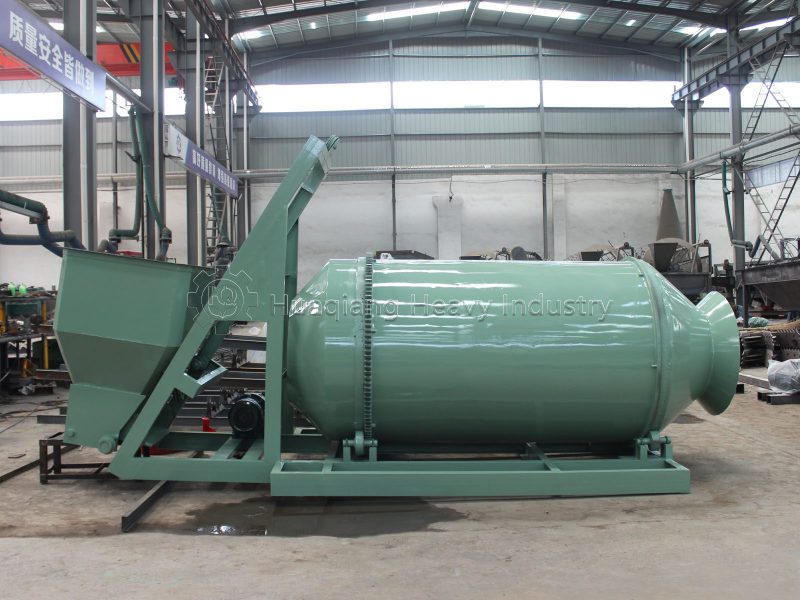
Rotational speed and loading factors differ as well. BB fertilizer mixers operate at lower speeds with a loading factor typically kept between 60% and 70%, providing enough space for granules to tumble freely without being crushed. Double shaft paddle mixers operate at higher speeds and can handle loading factors exceeding 80%, as the forced-shear mechanism ensures uniform mixing even at high fill levels.
Requirements for wear resistance and residue management also diverge. Since components like urea and potash salts in BB fertilizers are quite hard, the inner walls and ribbons of the mixer require wear-resistant treatment; furthermore, low residue is essential to prevent cross-contamination between different fertilizer formulations. For double shaft paddle mixers, the focus is on sealing the paddle and shaft ends to prevent fine powders from infiltrating the bearings; additionally, the paddle assemblies are typically replaced as complete units once they become worn.
Ultimately, the key characteristics of a BB fertilizer mixer are gentle action, speed, and low residue, whereas a double shaft paddle mixer is defined by high-intensity shearing, superior uniformity, and the ability to handle sticky or moist materials. When selecting a model, first determine whether the material is granular or powdery; the answer will then become clear.