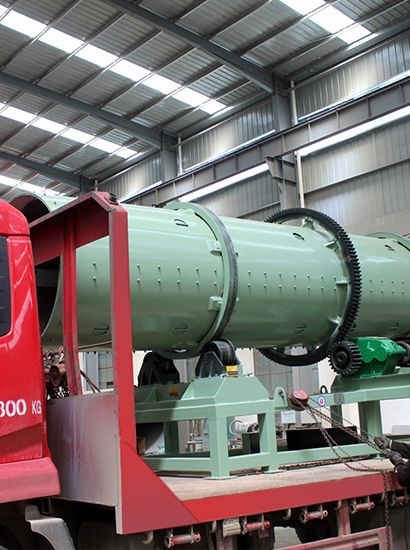
Sludge disposal is a long-standing challenge for municipal wastewater treatment plants, and converting sludge into organic fertilizer is a key pathway toward resource recovery. However, the high moisture content and viscosity of sludge impose specific requirements on fermentation equipment. For a reliable sludge compost fermentation machine, the core component is the turning mechanism—and the double screws compost turning machine is the ideal machine to address this challenge.
The primary difficulty in sludge composting lies in the material’s characteristics. Dewatered sludge typically has a moisture content of 70%–80%, high organic matter content, a dense structure, and extremely poor permeability. If the turning equipment fails to adequately break up the material and supply oxygen, anaerobic zones easily form within the compost pile, leading to prolonged fermentation cycles, the generation of foul odors, and even total composting failure.
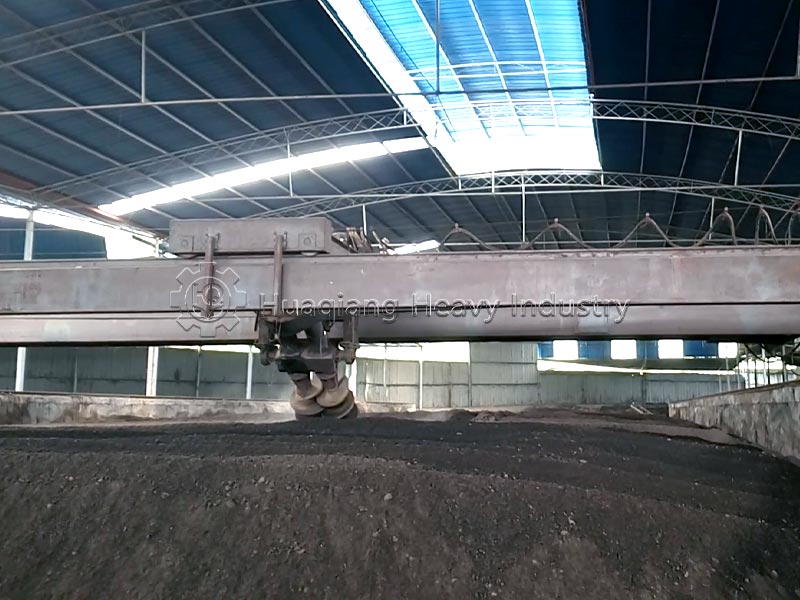
The double screws compost turning machine is specialized equipment designed specifically for such high-viscosity materials. Two parallel screw shafts rotate in opposite directions, forcibly lifting material from the bottom of the fermentation trough to the top and scattering it to both sides; this transforms dense, sticky sludge clumps into a loose, porous mass. With an effective turning depth of 1.6–1.7 meters, the machine utilizes forced aeration and uniform mixing to shorten the sludge composting cycle to just 7–8 days.
Beyond the equipment itself, the selection of the fertilizer machine manufacturer is equally critical. Sludge composition varies significantly by region—industrial sludge may contain heavy metals, while municipal sludge typically has higher organic content. A manufacturer’s ability to customize screw blade materials, anti-corrosion treatments, and turning depths based on specific raw material characteristics directly impacts equipment durability and fermentation efficiency.
Before signing a contract, it is advisable to conduct on-site inspections of the manufacturing facility and existing operational projects, paying close attention to their stainless steel fabrication capabilities, experience with anti-corrosion treatments, and capacity for designing integrated production lines.