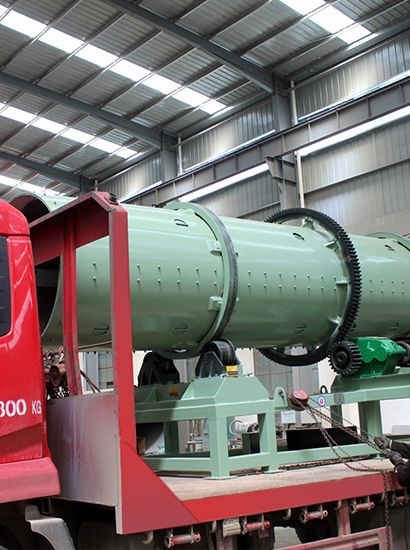
Chicken manure is widely recognized as one of the most challenging organic fertilizer feedstocks to process; it has a high moisture content (60–75%), is highly viscous, and releases significant amounts of ammonia. Without thorough fermentation, subsequent granulation is virtually impossible. Transitioning from fermentation (compost turning) to granulation requires a seamlessly integrated equipment setup.
The first step in chicken manure composting is aerobic fermentation. Due to the manure’s high nitrogen content, the compost pile heats up rapidly; if turning is delayed, the core temperature can exceed 70°C, deactivating beneficial microorganisms. A chicken manure compost turning machine travels along the windrows, using a turning drum to lift material from the bottom to the surface. This process introduces oxygen while releasing ammonia and water vapor, helping to equalize the pile’s temperature. After 15–25 days of regular turning, the organic matter is largely decomposed (matured), and pathogens are eliminated by the high temperatures.
However, composting sites for chicken manure are often far from ideal. Areas surrounding farms are frequently unpaved; after rain, the ground becomes soft and slippery, causing standard turners to slip or sink. A crawler-type compost making machine, equipped with rubber tracks, exerts low ground pressure and operates stably even on soft terrain. It eliminates the need for permanent fermentation pits, thereby saving on civil engineering costs. For small- and medium-sized farms with limited site conditions, the crawler-type model offers an optimal balance of flexibility and turning efficiency.
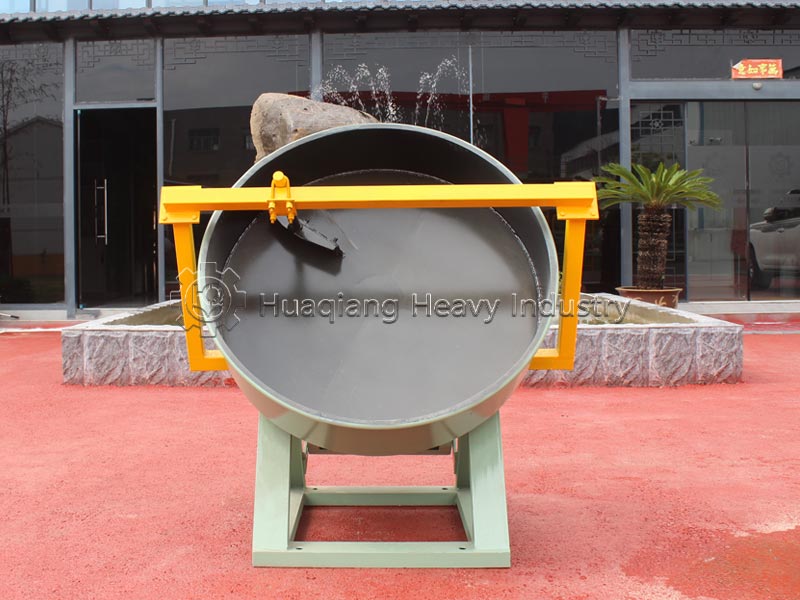
Once decomposed, the powdery material must be granulated to become a marketable fertilizer. An organic fertilizer disc granulator feeds the powder into an inclined, rotating disc, where the material rolls along the inner wall. Moisture is adjusted via atomized water sprays, causing fine particles to adhere layer by layer into granules. This process achieves a granulation rate exceeding 90%, producing round, uniform granules; it also accommodates a wide range of moisture levels, allowing for granulation without the need for intensive pre-drying.
The compost turner determines fermentation quality, while the disc granulator dictates the product’s physical form. The synergy between these machines ensures the successful transformation of chicken manure from waste into high-quality organic fertilizer granules.