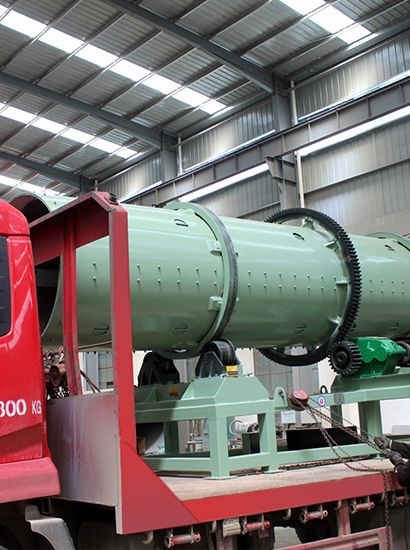
The differences between compost turning machines for processing chicken and cow manure go far beyond just the model; the root cause lies in the vastly different characteristics of the materials.
Chicken Manure: High in nitrogen and viscous, turning focuses on breaking up clumps. Chickens have short intestines, low feed digestibility, high nitrogen content, and abundant uric acid in their manure. Their initial moisture content often reaches 60%–70%, resulting in a fine, sticky texture that easily clumps together. Therefore, chicken manure compost turning machines must be equipped with a high-torque, low-speed power system, coupled with extended, wear-resistant blades to powerfully shear and break up clumps. Simultaneously, chicken manure heats up quickly and has a strong ammonia odor, requiring equipment with a turning depth of at least 1.2 meters to bring surface oxygen into the core of the pile and prevent carbonization. Turning frequency should not be too frequent, once every 1–2 days is sufficient; otherwise, a large amount of ammonia will evaporate, reducing fertilizer effectiveness.
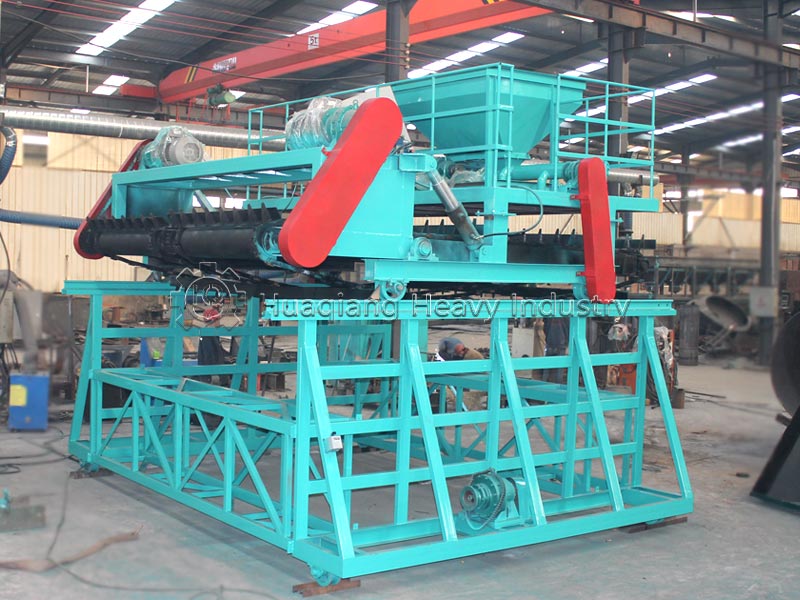
Cow Manure: High in fiber and fluffy, turning focuses on preventing slippage. Cow manure contains a large amount of coarse fiber, has a loose texture, and extremely high water retention. While this type of material doesn’t easily clump together, the blades often spin idly during turning, causing the material to be thrown apart and unable to mix effectively. For cow manure, a chain-plate compost turner machine should be used, employing large-area pushing instead of shearing to lift, shift, and drop the material as a whole. Because cow manure heats up slowly, it needs to be turned 1-2 times daily to prevent fiber clumping and localized oxygen deficiency and acidification.
The walking mechanisms also differ significantly. Chicken manure production lines commonly use wheeled or tracked turners for flexible tank switching; cow manure, due to its low density and loose volume, is better suited to track-type equipment for stable operation and to prevent sinking.
In short, chicken manure turners require “force”—high shearing to break up clumping; cow manure compost turners require “skill”—gentle pushing to increase oxygenation. Choosing the wrong equipment can reduce efficiency by half or even ruin the entire batch. Only by understanding the nature of the material can true “tailoring to the manure” be achieved.