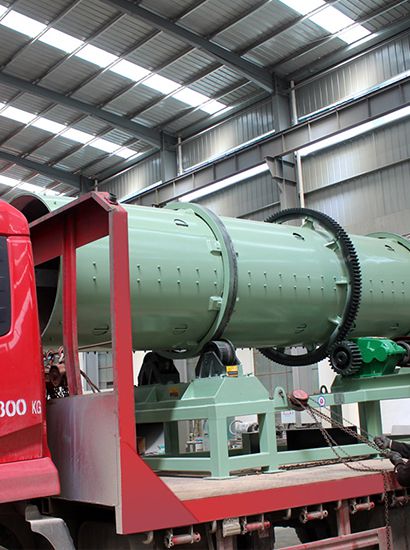
An NPK blending fertilizer production line operates by proportioning, mixing, and packaging nitrogen, phosphorus, and potassium fertilizers—along with other auxiliary ingredients—according to specific formulas to produce compound blended fertilizers with varying nutrient ratios.
- Determine the production process and capacity
Before setup, define the daily production volume, target nutrient ratios, and desired granule specifications. NPK blended fertilizer production typically utilizes a dry-mixing process; it eliminates the need for complex granulation or drying stages, making it an ideal choice for projects aiming to lower investment costs while maintaining the flexibility to adjust formulas.
- Configure core equipment appropriately
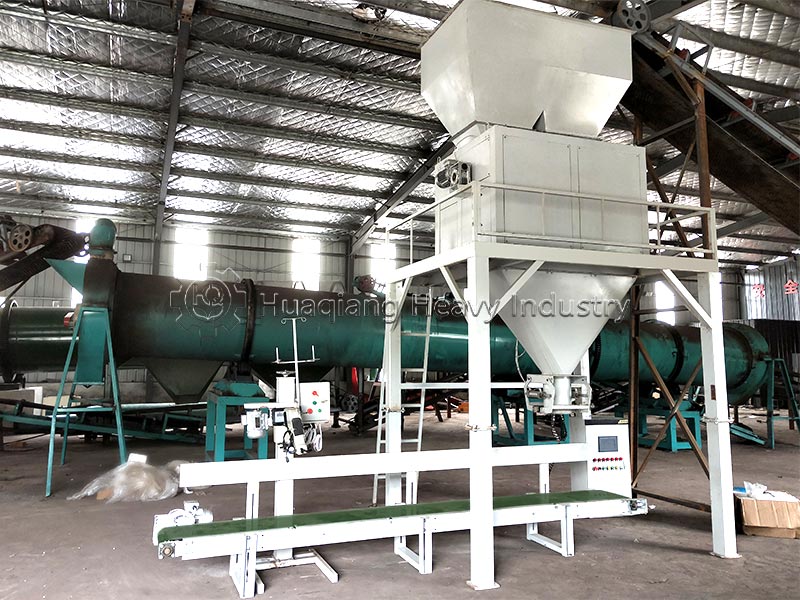
A complete production line generally consists of raw material storage silos, an automated batching system, conveying equipment, a BB fertilizer mixer, finished-product silos, and an automated packaging machine. The automated batching system ensures precise control over the proportions of each ingredient, while the mixer ensures that granules with different nutrient contents are blended uniformly. Packaging equipment can be selected in various specifications to meet market demand.
- Optimize equipment layout and material handling
The equipment layout should follow the operational sequence: raw material intake, batching/proportioning, mixing, temporary storage of finished products, and packaging. Minimize conveying distances to reduce granule breakage and the risk of cross-contamination during material transfer. Additionally, ensure sufficient space is allocated for raw material storage, equipment maintenance, and the storage of finished products.
- Prioritize installation, commissioning, and product quality
Once the production line is installed, verify the operational status of all equipment, calibrate the weighing and batching systems, and conduct trial runs to fine-tune batching precision and mixing duration. Furthermore, assess the finished product for nutrient uniformity, granule integrity, and mixing quality to prevent issues such as uneven nutrient distribution or the segregation of granules by size.
A well-designed NPK blending fertilizer production line not only enhances the efficiency of batching and mixing but also enables producers to flexibly adjust product formulas, effectively meeting the fertilization requirements of various crops and soil types.