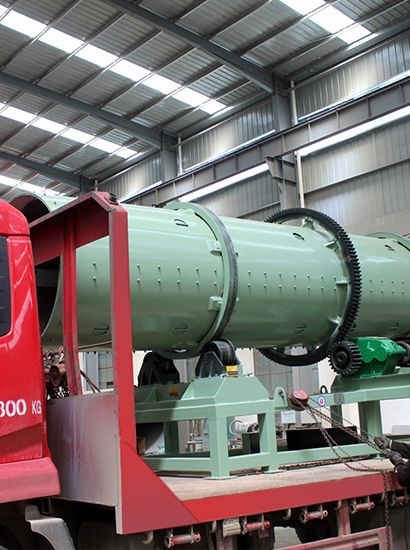
Municipal sludge composting places far greater demands on windrow turners than conventional livestock manure processing. Due to high moisture content, extreme viscosity, and the presence of corrosive components, the equipment requires four core characteristics to operate reliably:
Anti-adhesion design. Sludge typically has a moisture content of 75%–85% and is rich in extracellular polymeric substances; standard cutter drums become coated with mud within half an hour, causing a massive spike in load. Specialized sludge turners must employ variable-diameter cutter tooth structures or self-cleaning blades that scrape off or centrifugally eject adhered material during rotation, ensuring continuous, clog-free operation.
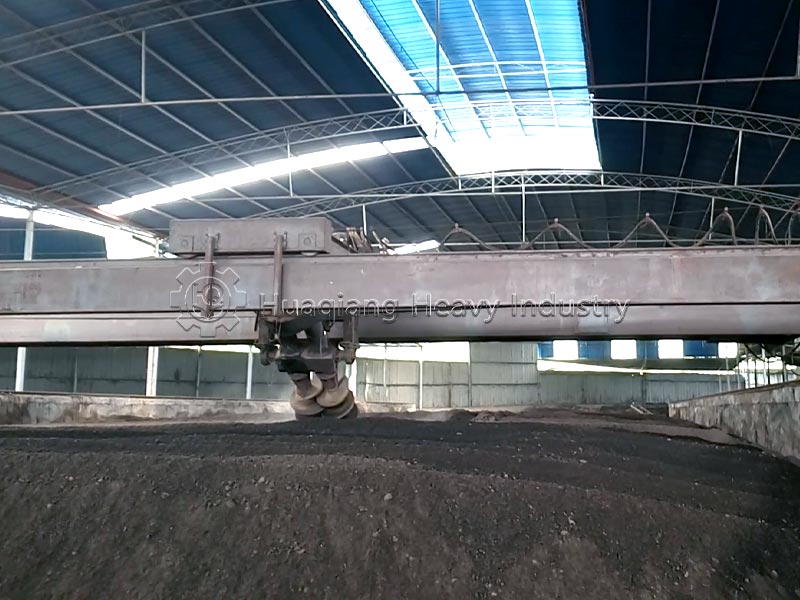
Fully enclosed anti-corrosion system. Sulfides, chloride ions, and acidic gases released during fermentation are highly corrosive to metal. Main shaft bearings require high-level protection ratings, the machine body needs heavy-duty anti-corrosion coating, and hydraulic and electrical lines must be fully enclosed to prevent short circuits or oil leaks caused by acid mist erosion.
Operational mode. Sludge flocs have a fragile structure; excessive agitation can shatter aggregates and collapse pore spaces. Therefore, a progressive spiral drum is preferred, lifting material from the bottom to the top for natural dispersal at low speeds and high torque, rather than violently throwing it. Safety in the travel system is paramount. Leachate often accumulates in sludge yards, creating slippery, muddy ground; sludge compost fermentation machines should come standard with wide anti-slip tracks and automatic leveling devices to prevent tipping or sinking on soft terrain, thereby ensuring operator safety.
In summary, the core logic for sludge compost fermentation machines is “stability first, speed second.” Their specialized designs regarding anti-adhesion, corrosion resistance, oxygen control, and stable movement—rather than mere power output—directly determine whether a sludge composting line can operate reliably over the long term.