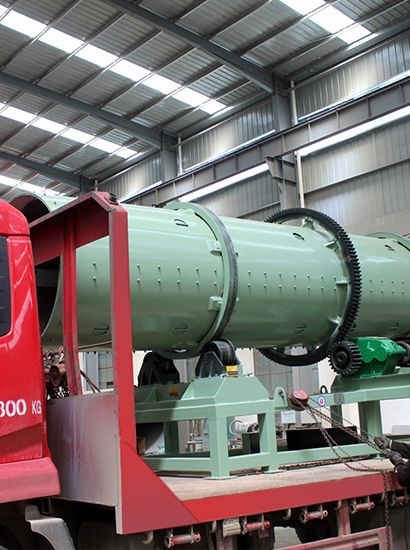
Agriculture waste compost making machines are core equipment for the resource utilization of organic waste; they directly determine composting efficiency and the quality of the finished product, making them standard equipment in modern ecological agriculture for processing materials such as crop stalks, livestock manure, and orchard trimmings.
They offer strong material adaptability and excellent homogenization. Agricultural waste varies widely in form, moisture content, and density; the turner’s multi-tooth structure effectively breaks up clumps and thoroughly mixes different types of waste. This prevents uneven moisture distribution from hindering fermentation and creates a stable, uniform environment for microbial proliferation.
They integrate oxygen supply and temperature regulation to accelerate fermentation. During the turning process, the equipment introduces ample external air into the windrow, providing oxygen for aerobic microorganisms while breaking up high-temperature clumps and balancing the overall temperature. This prevents localized anaerobic conditions that cause odors and effectively shortens the fermentation cycle.
They offer flexible site adaptability and consistent operational efficiency. Various types of turning equipment can be selected based on production scale and site conditions—whether for open-air windrows, in-vessel (trench) fermentation facilities, or decentralized operations on small farms—maintaining consistent turning depth and speed.
They feature low operation and maintenance costs, aligning with the economic nature of agricultural production. The equipment boasts a simple, durable structure with few wear parts and minimal maintenance requirements. Its energy consumption is far lower than that of large-scale enclosed fermentation systems, meeting the need for low-cost agricultural operations; it satisfies the high-volume processing demands of large farms while remaining within the budget of small-to-medium-sized growers and livestock producers.
In summary, thanks to their core attributes of high efficiency, flexibility, and low energy consumption, agriculture waste compost making machines serve as key equipment in bridging the gap between agricultural waste and organic fertilizer production.