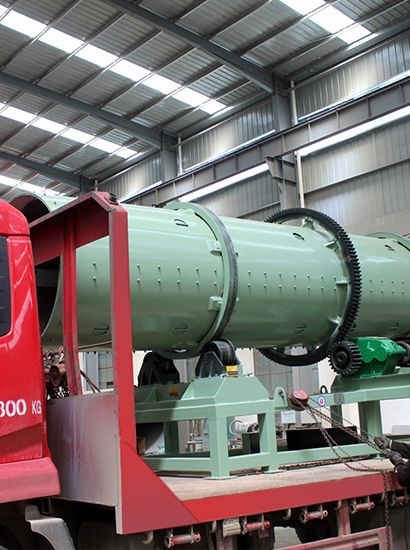
The choice of compost turning equipment directly determines fermentation efficiency and product quality. Currently, the three mainstream types of compost turners are the crawler-type, the large-wheel type, and the chain-plate type. These models differ in structure and are suited to different operational environments.
Crawler-type compost making machines utilize a rubber track drive system, allowing them to operate on muddy or soft ground without slipping or sinking. They can straddle windrows to work directly, eliminating the need for fixed fermentation tanks and saving on civil engineering costs. Capable of turning in place, they are ideal for small-to-medium-sized farms with compact sites or unpaved ground. For projects with a daily output of under 50 tons and average site conditions, the crawler type offers the best cost-performance ratio.
Large wheel compost turner machines are designed for large-span, deep-layer fermentation scenarios. Featuring two large-diameter turning wheels, they can cover a width of up to 30 meters and a depth of 1.5 to 3 meters. They reduce energy consumption by approximately 70% compared to traditional equipment and, when paired with automation systems, require no manual operation. They are best suited for large organic fertilizer plants with annual capacities exceeding 100,000 tons operating on open, paved sites.
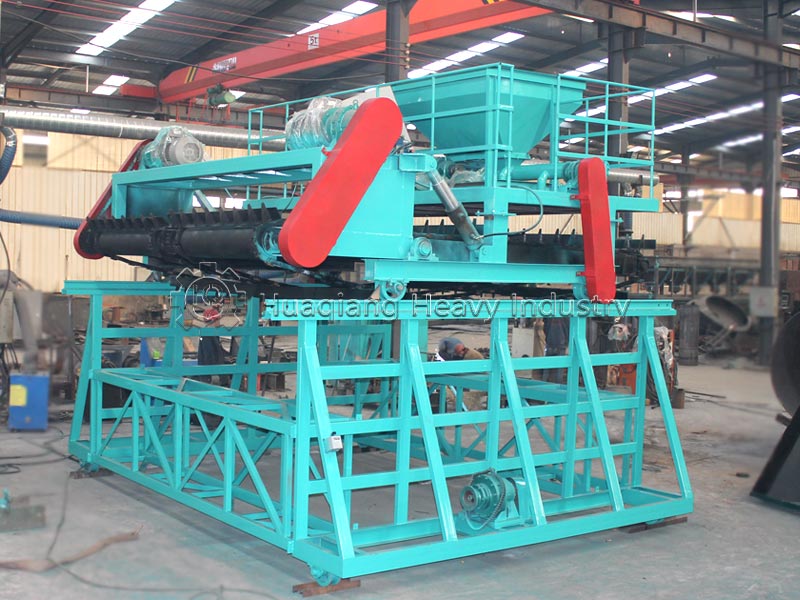
Chain plate compost turning machines operate within a tank-based fermentation system, moving back and forth along rails. They use chain plates to continuously lift and drop material from the bottom of the tank, achieving turning depths of over 1.8 meters while simultaneously pulverizing and aerating the material. With low resistance and high energy efficiency, they are ideal for fixed-site tank composting projects that require precise process control. Although they require an initial investment in civil engineering, they offer superior process controllability compared to windrow composting.
Equipment selection should follow the logic of “matching the machine to the site”: choose the crawler type for soft ground and limited budgets; choose the wheel type for open sites and high efficiency; and choose the chain-plate type for fixed sites requiring strict process control. Each type has its specific operational scope; selecting the right model ensures the equipment supports high-quality fermentation.