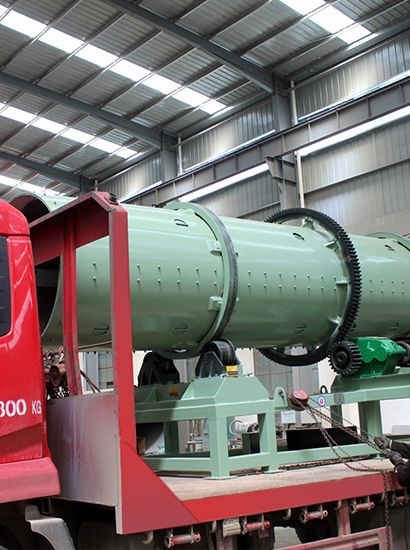
Compost turning is the core step in compost fermentation, and equipment selection directly affects fermentation efficiency and product quality. Crawler-type compost making machines, double screws compost production machines, and chicken manure compost turning machines are three common types of compost turning equipment, differing in structure and applicable scenarios.
Crawler-type compost making machines use a rubber track system, preventing slippage and sinking on soft, muddy ground. They can operate directly on ground pallets, making them suitable for small to medium-sized farms with unpaved sites and complex ground conditions. They eliminate the need for civil engineering investment while retaining the convenience of flexible relocation, making them the most cost-effective choice for projects with a daily output of less than 50 tons.
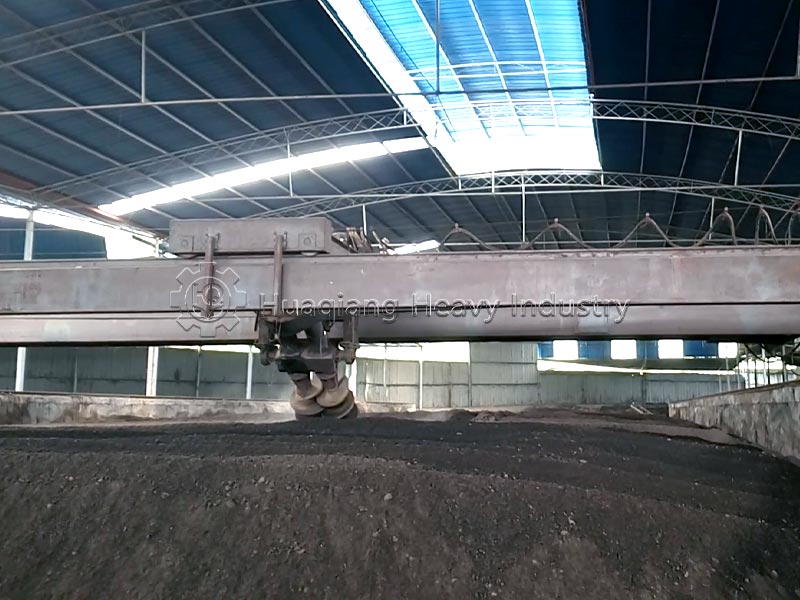
Double screws compost production machines are trough-type fermentation equipment. They travel back and forth along a track, with two interlocking, counter-rotating spiral blades turning the material at the bottom of the trough to the upper sides, achieving forced aeration. They are suitable for large-scale trough-type composting projects with fixed sites and high requirements for fermentation process control. Although it requires civil engineering investment, the process controllability and automation level are superior to the windrow system.
Chicken manure turning machines are a category named after the raw material, not a separate model. Chicken manure has a high moisture content of 60%-75%, is highly viscous, and releases a large amount of ammonia, requiring turning machines to handle highly sticky and moist materials. Regardless of the choice, enhanced sealing and deodorization designs are essential.
The selection should follow the logic of “determining the model based on the site and the structure based on the material.” Choosing the right model ensures fermentation quality.