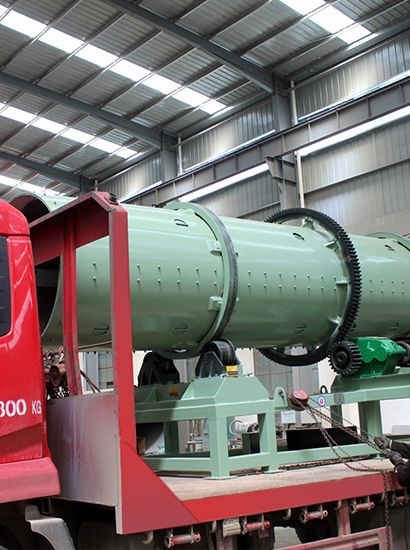
In the production of compost from cow manure, self-propelled compost turning machines have become the mainstream equipment for organic fertilizer production on farms due to their flexibility and broad adaptability. A scientific approach to selecting this equipment requires a comprehensive assessment based on three dimensions: material properties, site conditions, and production capacity requirements.
First, match the turning mechanism to the physical state of the cow manure. Cow manure is soft in texture, has high moisture content, and poor air permeability; when piled, it tends to settle and compact. Conventional, general-purpose turning equipment often fails to achieve deep aeration. When selecting a model, prioritize those with strong material-breaking capabilities and uniform throwing action; a robust turning mechanism is needed to break up compacted manure piles, rapidly exchange internal hot and foul air, and address issues such as anaerobic odor and delayed decomposition, thereby aligning with the specific fermentation characteristics of cow manure.
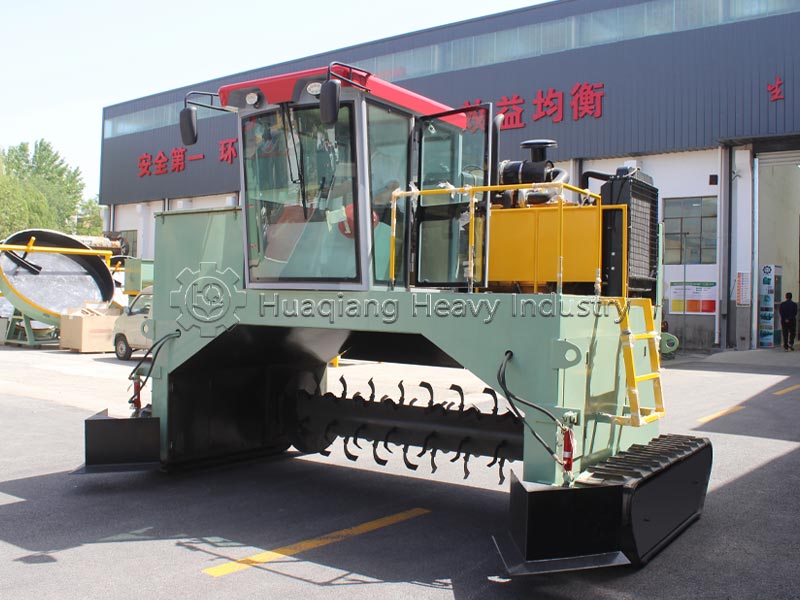
Second, determine the type of locomotion system based on the operational site. Composting sites on farms often feature uneven ground that becomes muddy during the rainy season, while some smaller farms have limited space for material stockpiling. Self-propelled turners come in two configurations: wheeled and tracked. Wheeled models are suitable for small, level sites, offering operational flexibility and lower energy consumption. For large-scale composting sites with muddy, soft, or uneven terrain, tracked compost turning machine models are preferable due to their larger ground contact area, which prevents slipping or getting stuck.
Finally, match equipment specifications to the scale of production. Small farms with low daily manure output can meet fermentation needs with small-to-medium-sized models, avoiding wasted capacity. Large-scale breeding bases require equipment with wide working widths and high operational efficiency to shorten fermentation cycles. At the same time, avoid the pitfall of blindly pursuing high power ratings or heavy machine weight; cow manure is relatively light, and excessively heavy equipment can compact the pile, thereby hindering aerobic fermentation.
In summary, the scientific selection of a cow manure self-propelled compost turner centers on aligning the equipment with the material properties, site conditions, and production capacity. Making a rational choice of equipment not only ensures the quality of cattle manure compost and production efficiency but also reduces operation and maintenance costs, helping farms achieve stable and efficient resource recovery and recycling of manure.